Deed Records, Assessor Records, Census Records, and City Directories: How Each Helps You Uncover a Home’s Previous Homeowners
Want to trace your home's past? Learn how deed records, assessor records, census data, and city directories work together to reveal former homeowners and residents.
March 28, 2025
When it comes to uncovering who once lived in your home—or who owned it before you—it’s easy to assume there’s one magical record with all the answers. But in reality, home history lives in layers of different records, each telling part of the story.
Whether you're a researcher, homeowner, or just a curious local, this guide will help you understand the key record types used to trace a home's ownership and residency over time—plus how they work together.
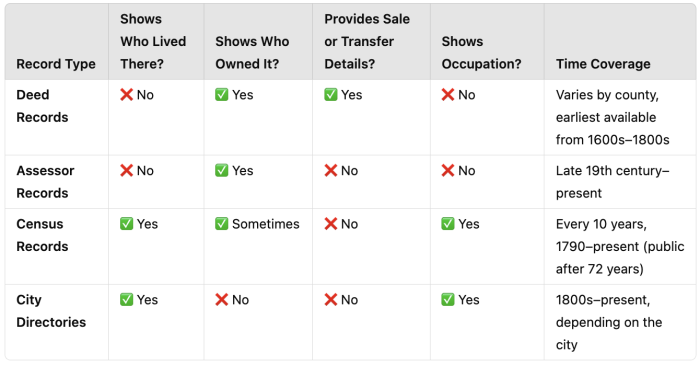
Deed Records
What they are:
Deed records are legal documents that show the transfer of property ownership from one party to another. They typically list the names of the grantor (seller) and grantee (buyer), the date of transfer, and the property’s legal description.
What they’re used for:
- Tracking ownership changes over time
- Establishing a chain of title
- Confirming property boundaries and legal descriptions
Limitations:
They don’t show who lived there or whether the buyer actually occupied the home.
Where to find them: County recorder or register of deeds (may be online or in-person)
Assessor Records
What they are:
Assessor records are used by local governments to determine the value of a property for taxation purposes. They include information about the property’s structure, land, and improvements.
What they’re used for:
- Identifying who was responsible for paying property taxes (often the owner)
- Seeing how a property’s value and structure have changed over time
Limitations:
These records generally don’t show residents or sale history, and they’re not always comprehensive in older years.
Where to find them: County assessor’s website or office
Census Records
What they are:
Census records are federal records collected every 10 years that list individuals and households. They capture information about names, ages, birthplaces, occupations, and homeownership status.
What they’re used for:
- Learning who lived in the home, including families and boarders
- Discovering occupations, household structures, and place of origin
- Verifying owner vs. renter status
Limitations:
The most recent census available to the public is from 1950, due to the 72-year privacy rule. Ownership is only listed in some decades.
Where to find them: Ancestry.com, FamilySearch.org, National Archives
City Directories
What they are:
City directories were the historic equivalent of today’s phone book. Published annually or every few years, they listed residents by name and address—sometimes even by occupation or employer.
What they’re used for:
- Identifying who lived at a specific address in a given year
- Filling in gaps between census decades
- Learning occupations or relationships (e.g., “John Smith, carpenter, h[ome] 123 Main St.”)
Limitations:
They don’t list owners, and may not be available for rural areas or small towns.
Where to find them: Local libraries, state archives, or genealogy databases like Ancestry.com
How These Records Work Together
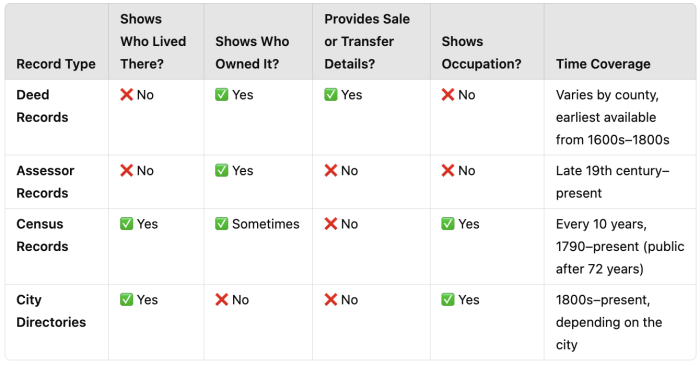
Using these records together allows you to:
- Build a timeline of ownership
- Discover the actual residents across decades
- Uncover family structures, occupations, and stories that bring your home's past to life
Ready to Start Researching?
You don’t need to be a professional historian to uncover your home’s story. With the right records—and a bit of curiosity—you can begin piecing together the lives that shaped the place you live in today.
Need help or want to contribute to a mystery home case? Explore more tools, tips, and crowd-powered research at HouseNovel.com.
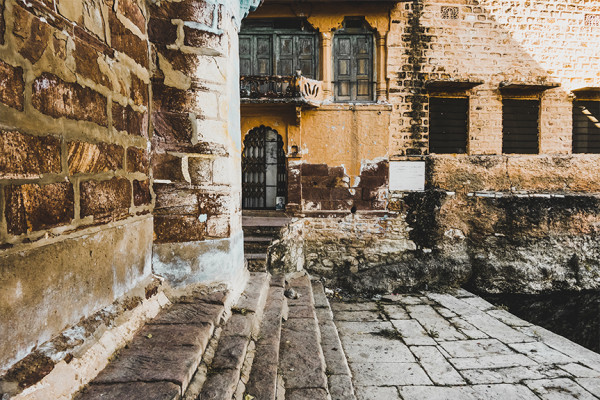
How to Care for a Historic Property
Without preservation advocates, many historical properties wouldn’t survive. In historical districts such as Brooklyn Heights, New York, preserving the authenticity of the neighborhood is a must.
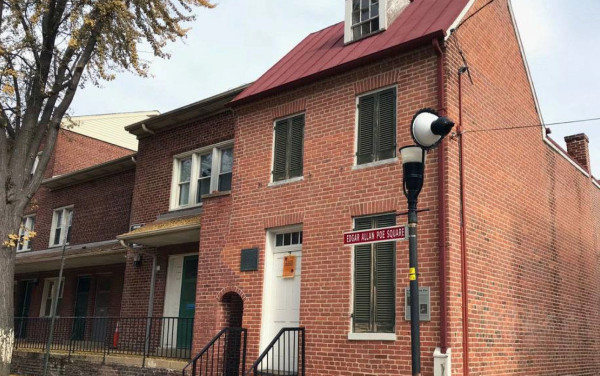
Edgar Allan Poe's House of Literature: Small but Sturdy
Edgar Allan Poe claimed that his home was in Richmond, Virginia, but before Richmond he lived in Baltimore, Maryland, in this small unassuming home. What happened to it after Poe and who lived there?

The Flight Begins at Home: Flying through Amelia Earhart’s Abodes
Join us on a captivating journey through the various homes of the pioneering aviator, Amelia Earhart. From her humble beginnings in Atchison, Kansas, to the sunny neighborhood of Toluca Lake, California, discover the places where Amelia lived, loved, and soared to new heights.
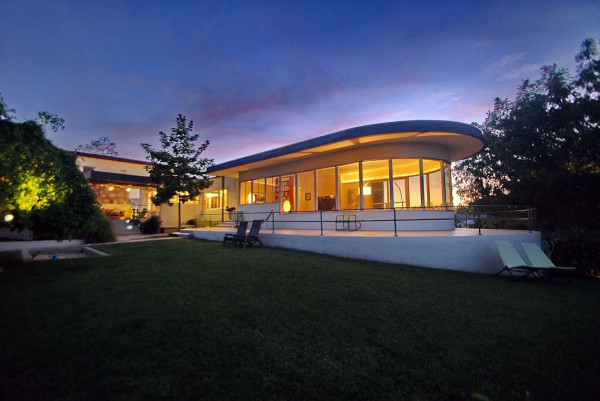
Architectural Innovator: Unveiling the Genius of Raphael Soriano
Step into the world of architectural brilliance as we delve into the legacy of Raphael Soriano, a visionary who redefined the landscape of design.
