Did You Know Telephone Numbers Were Different Back in the Day? Here’s What You Need to Know!
Did you know phone numbers used to include words instead of just digits? Learn how the telephone exchange system made dialing easier, why it was phased out, and where you can still find traces of it today.
March 18, 2025
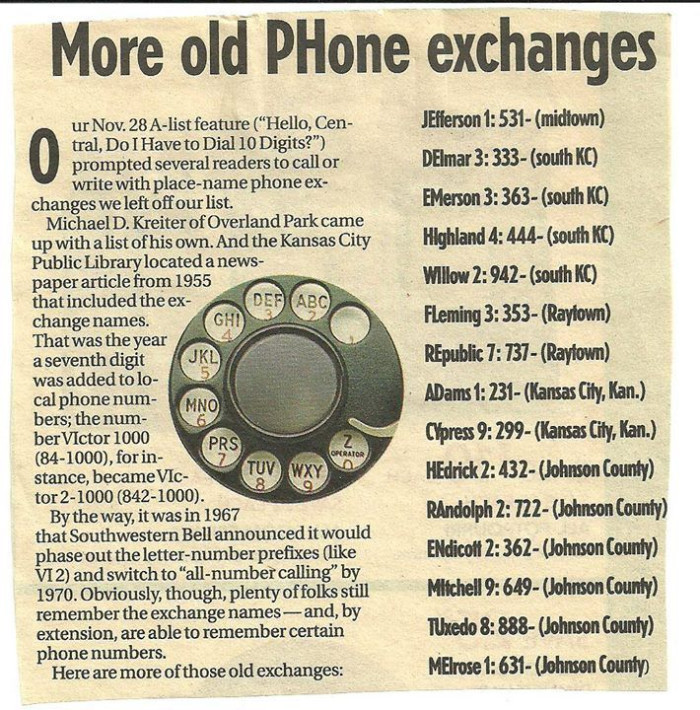
If you've ever come across an old address book, city directory, or vintage advertisement, you might have noticed some strange-looking phone numbers—like "Nestor 2626" or "Pennsylvania 6500." Unlike today’s all-digit phone numbers, these were part of a system that relied on telephone exchange, a central system that connects calls within a specific area by routing them through switchboards or automated systems names, a fascinating relic of early telecommunications history.
How Telephone Numbers Worked Before Area Codes
In the early days of telephone networks, cities were divided into telephone exchange areas, which were specific geographic zones assigned to a central switching office that managed local calls, each with its own name. Instead of dialing a long series of numbers, callers would first speak to an operator, who would manually connect their call using switchboards. But as automatic dialing became more common, a standardized two-letter, five-digit system emerged.
For example, a number like "Nestor 2626" was shorthand for calling the "Nestor" exchange, which was a designated telephone exchange serving a specific geographic area in Minneapolis, allowing local calls to be routed efficiently through a central switchboard. On a rotary dial phone:
- The first two letters (Ne) corresponded to numbers on the dial (N=6, E=3),
- The remaining numbers (2626) made up the rest of the phone number.
So, if you were dialing Nestor 2626, you would actually dial 63-2626 on a rotary phone!
Why Did This System Exist?
- It made phone numbers easier to remember by associating them with words instead of random numbers.
- It allowed operators to route calls more efficiently before direct dialing became widespread.
- It helped organize telephone exchanges by geographic region, much like area codes do today.
The End of an Era: Switching to All-Digit Numbers
By the 1950s and 1960s, the rise of direct dialing and the need for standardization led to the gradual phasing out of exchange names. In 1958, the Bell System introduced the "All-Number Calling" system, replacing letter-based exchanges with today’s familiar seven-digit numbers.
Many people resisted this change at first—after all, exchange names were easier to remember than all-digit numbers. But as phone networks grew, it became necessary to switch to an all-digit system to accommodate more numbers and improve automation.
Where Can You Still Find These Old Numbers?
Although the exchange name system is long gone, traces of it still exist in:
- Vintage advertisements – Old newspapers and magazines still list businesses with exchange names!
- City directories and historical records – Exactly like the ones we're using to uncover Minneapolis home history!
- Pop culture references – "Pennsylvania 6-5000" is still a famous jazz song referencing a real NYC phone number!
Bringing Old Phone Numbers Back to Life
If you're researching your home’s history or diving into vintage city directories, understanding old telephone numbers can help you piece together the past. In HouseNovel’s automated home history reports, we’re decoding historical records—including these unique exchange-based phone numbers—to help you uncover the stories behind your home and its past owners.
Ever spotted an old telephone number with an exchange name in your research? Let us know!
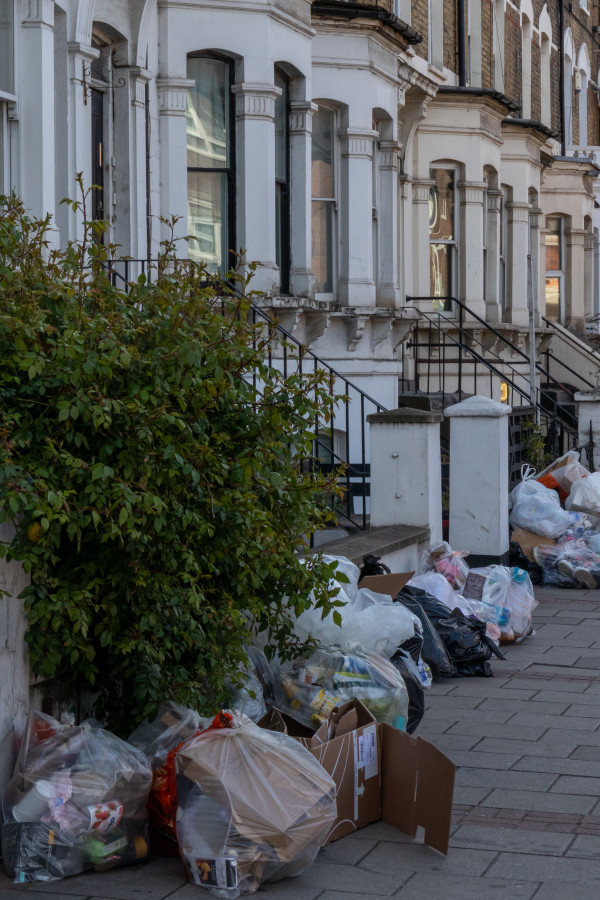
Houses Built on Trash - A Glimpse into Urban Evolution
From trash to treasure, here are seven ways to think of trash in a whole new light
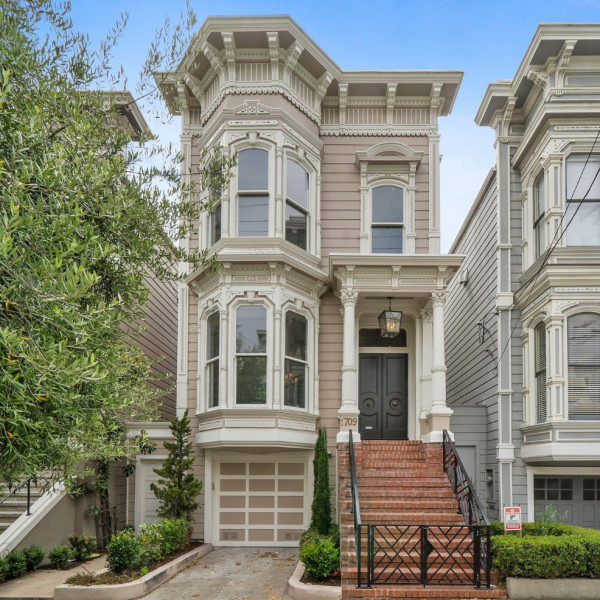
1709 Broderick Street: The Real Full House Home in San Francisco
Step inside the history of 1709 Broderick Street, the real Full House home in San Francisco. From its 1883 Victorian beginnings to TV fame, this house has stories to tell.
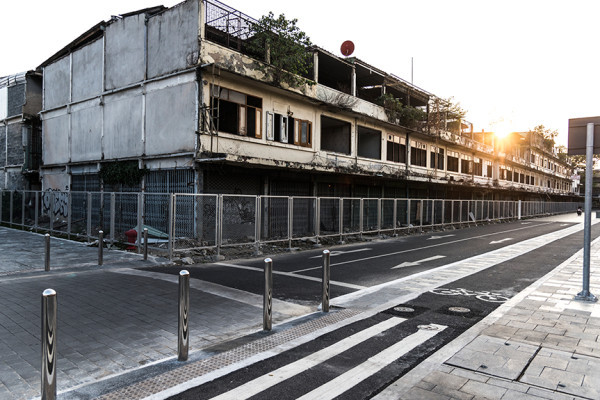
Everything You Need to Know About Repurposing Abandoned Properties
Repurposing buildings is an art that allows us to breathe new life into old structures. Reusing vacant properties simultaneously discovers new opportunities to integrate our rich historic culture.
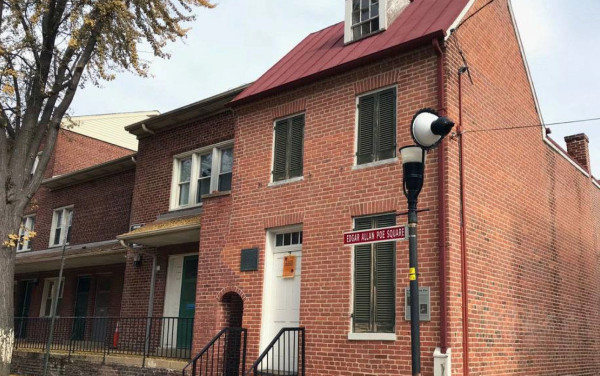
Edgar Allan Poe's House of Literature: Small but Sturdy
Edgar Allan Poe claimed that his home was in Richmond, Virginia, but before Richmond he lived in Baltimore, Maryland, in this small unassuming home. What happened to it after Poe and who lived there?
