Everything You Need to Know About Repurposing Abandoned Properties
Repurposing buildings is an art that allows us to breathe new life into old structures. Reusing vacant properties simultaneously discovers new opportunities to integrate our rich historic culture.
May 10, 2024
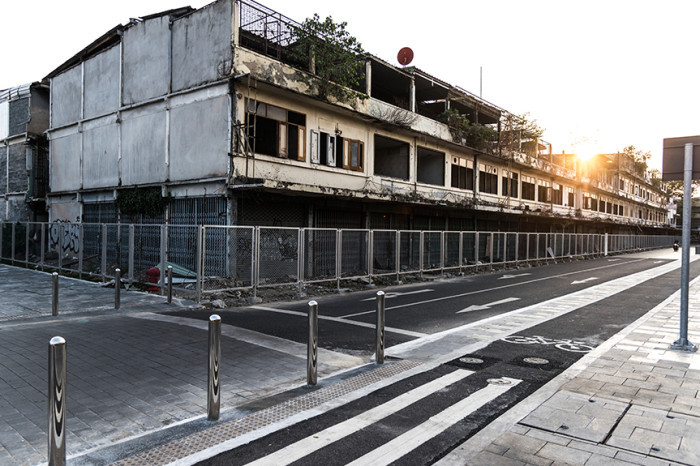
Repurposing buildings is an art that allows us to breathe new life into old structures. Reusing vacant properties simultaneously discovers new opportunities to integrate our rich historic culture into modern society while minimizing the negative economic impact of dilapidated properties. Cities are living and breathing entities that embody the lifestyle characteristics of residents. Creatively repurposing vacant city spaces have many community advantages, including economic revitalization, enriched infrastructure architecture, and a more established cultural identity.
Factors to Consider
- Know your market – Understanding the neighborhood is the first step towards deciding how to plan your project. For instance, in areas with minimal inhabitants, you do not want to convert a building into a school or restaurant. To attract additional residents, it would be better to transform the building into a factory in order to provide job opportunities. Next, you want to create residential spaces that allow people to live in close proximity to their work, and then develop local amenities to keep them and encourage others to join! Contrarily, if a vacant property is in a crowded neighborhood you have a greater scope for unique and diverse projects.
- Property condition– a realtor, professional contractor, or organization should check the strength and the condition of the abandoned property before laying out the repurposing plan. Especially when a dilapidated building needs extensive retrofitting, unexpected damage control can consume time and resources. Once you have evaluated the building’s condition, ask yourself: Do you have enough funds to proceed with the plan? What impact does this plan have on you and your community?
- Budget Check – A property repurposing project is eligible to receive government aid, loans, grants, and tax breaks. Chances are that regardless of this financial assistance, the project costs will still exceed the pre-determined budget because of unexpected repairs and legal limitations. You should account for unexpected time delays and additional costs in your project plan by completing a cost-benefit analysis using average costs per square foot. When repurposing historic properties for modern uses, local preservation laws and ordinances limit how the infrastructure can legally be altered. To properly maintain the building’s authenticity during renovations, finding original replacement parts can be a challenging and costly affair. To optimize your rehabilitation project, proactively research your property to see what grants and ADA tax credits it is eligible for.
- Partner with Experts – Bringing creativity into a property rehabilitation plan will require an architect and designer who are well-versed in the industry. Finding experts with prior relevant experience renovating historic buildings will ensure they maintain a building’s historical identity while repurposing it to fit new uses.
Even when a building has outlived its initial purpose, it continues to have limitless potential for new opportunities. In the pursuit of economic and environmental sustainability, historical buildings can be redeveloped for new lifestyles and demands. The list of iconic, historic buildings deemed societally significant that have gone through minor and major refurbishments are never-ending. Some examples at the top of the list include Hagia Sophia, Hiroshima Castle, the Yellow Crane Tower, Fort Manoel, the Altstadt, and Ribeira Palace.
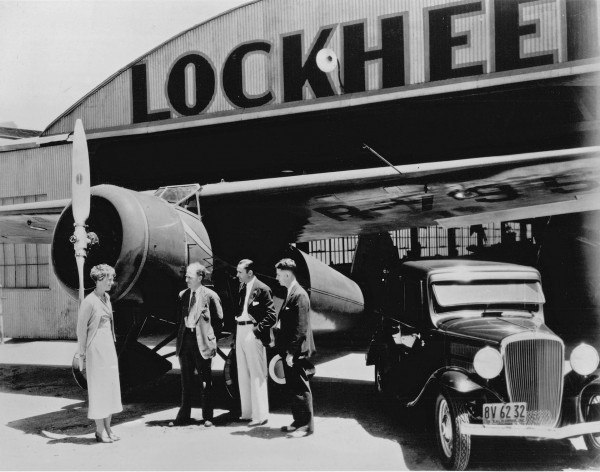
The Flight Begins at Home: Flying through Amelia Earhart’s Abodes
Join us on a captivating journey through the various homes of the pioneering aviator, Amelia Earhart. From her humble beginnings in Atchison, Kansas, to the sunny neighborhood of Toluca Lake, California, discover the places where Amelia lived, loved, and soared to new heights.
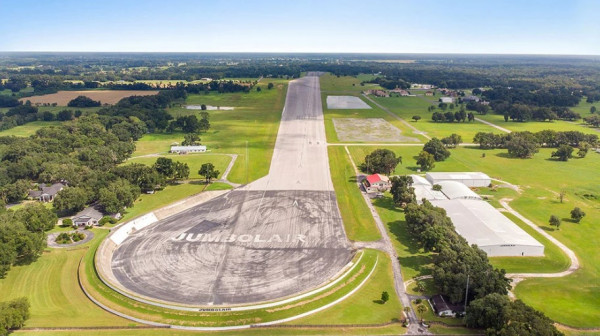
From Vanderbilt Estate to Jumbolair: The Fascinating Journey of a Celebrity Fly-in Oasis
Discover the captivating transformation of Jumbolair: from Vanderbilt Estate to celebrity fly-in oasis. Explore the allure of exotic animals, star residents, and the nation's longest private runway. Unveil the secrets of luxury living and aviation passion in this thrilling article!

Your Step by Step Guide for Investing in an Abandoned Property
Have you ever wanted to buy an abandoned castle, villa, commercial building, or entire town but don’t know the first thing about buying an abandoned property?

Cracking the code of home history: A free resource list to uncover Your home's past
Want to learn more about your home's history? Check out our insider tips and tricks to get the most out of your search.
