5 Historic Cities Every Architecture Lover Should Visit
From Savannah to Santa Fe, these five cities are a dream for architecture and history lovers. Discover where to go, what to see, and how home history comes to life.
March 28, 2025
Where American history, design, and charm come together—one city at a time.
If your ideal getaway involves strolling through cobblestone streets, admiring intricate ironwork, or soaking in the beauty of preserved 18th- and 19th-century homes, this list is for you. These five U.S. cities are packed with architectural treasures—and each one offers a unique window into the story of how American homes evolved over time.
Whether you’re planning a long weekend or a deeper dive into history, these destinations are a must for any design or architecture lover.
1. Savannah, Georgia
Style Snapshot: Greek Revival, Italianate, Federal, and Victorian
Why You’ll Love It:
Savannah is like a walkable textbook of American architecture. With 22 historic squares, massive live oaks draped in Spanish moss, and some of the best-preserved homes in the country, the city offers something for every era-inspired design fan. From grand mansions to row houses, you'll spot intricate ironwork, wraparound porches, and pastel-colored facades that reflect centuries of change.
Don’t Miss:
- The Mercer-Williams House Museum
- Owens-Thomas House & Slave Quarters
- Jones Street and its charming row houses
- Self-guided architectural walking tours throughout the Historic District
2. Charleston, South Carolina
Style Snapshot: Georgian, Federal, Italianate, and Charleston Single Houses
Why You’ll Love It:
Charleston oozes charm. Its iconic pastel row homes and narrow, breeze-catching “single houses” are steeped in coastal elegance and historical significance. You’ll find cobbled streets, antebellum mansions, and some of the best-preserved colonial-era architecture in the U.S. Walking tours, horse-drawn carriages, and waterfront views make exploring this city an architectural daydream.
Don’t Miss:
- Rainbow Row and the Battery
- Nathaniel Russell House and Aiken-Rhett House Museums
- Historic Charleston Foundation tours
- Exploring the Charleston Single House layout and how it influenced Southern city living
3. New Orleans, Louisiana
Style Snapshot: Creole cottages, French Colonial, Greek Revival, and Shotgun Houses
Why You’ll Love It:
New Orleans is a vibrant collision of cultures, which is reflected in its colorful, diverse architecture. The French Quarter’s wrought-iron balconies and Creole townhouses stand in contrast to the Garden District’s columned mansions and Gothic churches. It's a feast for the eyes—and an important chapter in America’s architectural story.
Don’t Miss:
- Walking the French Quarter for Creole and Spanish colonial influences
- Garden District mansions and Lafayette Cemetery No. 1
- The history of the shotgun house and its unique layout
- New Orleans African American Museum for architectural and cultural context
4. Boston, Massachusetts
Style Snapshot: Colonial, Federal, Greek Revival, and Brownstones
Why You’ll Love It:
As one of America’s oldest cities, Boston is filled with red-brick beauty and colonial-era homes. The Freedom Trail guides you past historic homes, meeting halls, and burying grounds, while neighborhoods like Beacon Hill show off gas lanterns, cobbled alleys, and classic brownstone façades.
Don’t Miss:
- Beacon Hill walking tours
- Paul Revere House and other colonial homes along the Freedom Trail
- Federal-style row houses in the South End
- Boston Public Library’s original McKim Building—a Beaux-Arts masterpiece
5. Santa Fe, New Mexico
Style Snapshot: Pueblo Revival, Territorial Style, and Spanish Colonial
Why You’ll Love It:
Unlike the East Coast’s columns and trim, Santa Fe’s architecture is defined by earthy adobe, flat roofs, and centuries-old design traditions. The city blends Native American, Spanish, and Mexican influences into a cohesive—and visually stunning—historic style that’s still seen in homes today. It's a totally different flavor of home history.
Don’t Miss:
- The oldest house in the U.S. (circa 1646) near the Plaza
- Palace of the Governors
- Canyon Road’s art galleries inside historic adobe homes
- Historic hotels like La Fonda on the Plaza, rich with Pueblo Revival design
Want to Learn More?
We’re diving deeper into each of these cities in our Historic Vacations blog series—featuring guides to what to see, where to stay, and how each place connects to America’s broader home design history.
Explore more, or start building your own home’s profile, at HouseNovel.com. Because every home has a story—and some are just waiting to be rediscovered on your next trip.

Not the Up House—But Even Better: Edith Macefield Said No to $1 Million, So They Built a Mall Around Her
You may have heard about the one-bedroom house in Seattle that blocked a mall.
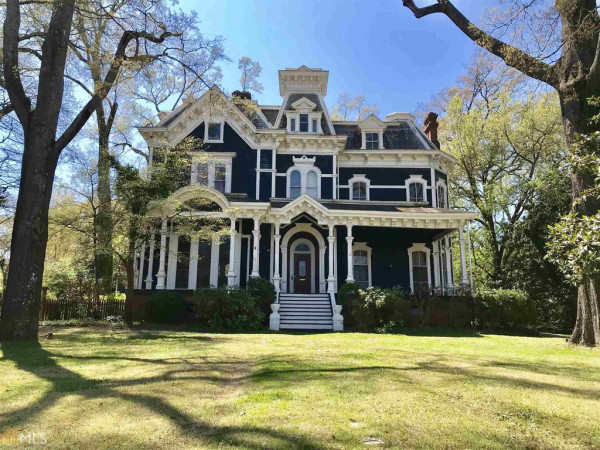
The Stranger Things Creel house: From set piece to iconic landmark
From set design to real-life marvel, the Claremont house and its role as the Stranger Things Creel house.
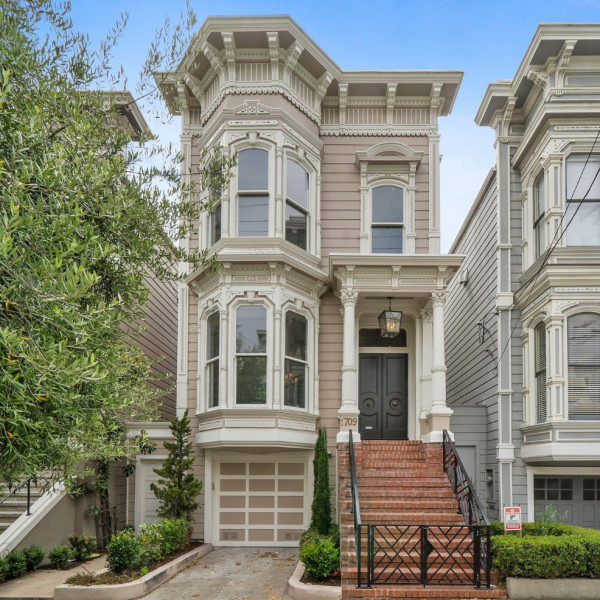
1709 Broderick Street: The Real Full House Home in San Francisco
Step inside the history of 1709 Broderick Street, the real Full House home in San Francisco. From its 1883 Victorian beginnings to TV fame, this house has stories to tell.
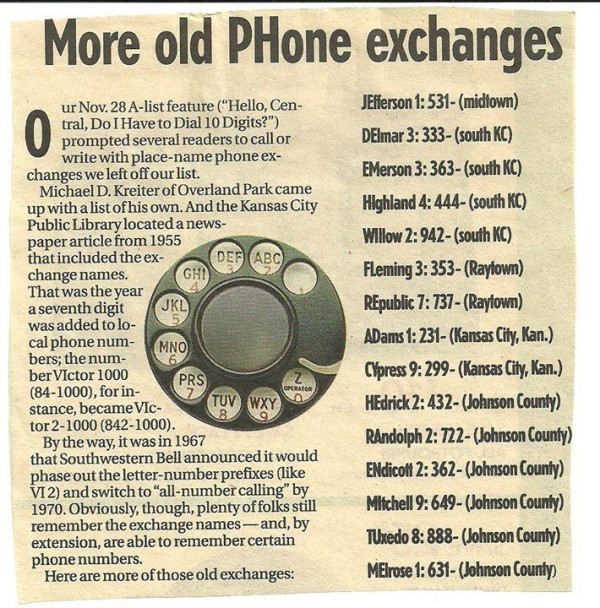
Did You Know Telephone Numbers Were Different Back in the Day? Here’s What You Need to Know!
Did you know phone numbers used to include words instead of just digits? Learn how the telephone exchange system made dialing easier, why it was phased out, and where you can still find traces of it today.
