Find an Abandoned Property Owner
Have you ever seen an iconic historical building in ruins and wonder how such beautiful architecture was left abandoned?
May 10, 2024

Have you ever seen an iconic historical building in ruins and wonder how such beautiful architecture was left abandoned? Especially if you have your sights on buying and restoring one of these gems, you may be curious about how who the owners were, why it became abandoned, and how it reached its current state.
You may ask yourself – Where are they now? Are they alive? Why did no one else buy it?
Your action plan to find a property owner
Put your research hat on – If you have the property address or the name of the owner, a simple Google search may lead you to all the answers you seek! If the property has recently become abandoned, check out the electoral roll to see if the owners have moved to a different state or country.
Talk to the neighbors – If you discover a vacant property while passing by, you may be able to confirm if it’s actually vacant by just talking with people that live nearby. About 90% of the time, neighbors can provide you with the owner’s contact information, or at least guide you in the right direction. If you are interested in investing in the property, let the neighbors know because oftentimes an owner interested in selling the property has already informed their neighbors of their plan.
Slide a note under the door – If the property is located in a place where there are no neighbors, slip a note under the door with your contact information. If the property has been foreclosed, the financial institution might contact you about selling the home. If the property is still privately owned and the owner occasionally checks in on the building, they will most likely contact you to arrange a purchase agreement.
Reach out to local authorities – Local authorities that deal with vacant homes and housing developments will have details on all the abandoned properties in the state. Through them, you should be able to learn if the property was seized, forfeited, voluntarily abandoned, or unclaimed. Officials will also be able to provide a significant amount of ownership history.
Land Registry Office – If the property is registered, you can get a lot of homeownership details at the Land Registry Office. To locate the correct Land Registry office, go to the location where the official property records (i.e. titles, deeds, and mortgages) are registered. Note that while you can receive a lot of property details, many states will not provide personal owner details.
Tax records – If you check the property’s tax record, you will obtain past sales data, bill payment details, loans against the property, tax value, plat maps, and more.
Consult a private investigator – If the property has been abandoned long-term, neighbors and local authorities may not be able to help as much. This is when you should consider hiring an investigator to find out more information about the owners and/ or their families.
Never give up your quest to learn more about an abandoned property you are curious about. Many of these buildings are diamonds in the ruff just waiting to be discovered, loved, and restored. If you have the resources to breathe life back into an abandoned property, never give up to make your dream come true! Know that there are many advocates and resources to help you restore these buildings and the communities they impact.

How to Claim a Relative’s Abandoned Property
Any unclaimed property becomes property of the state. So what happens if a relative of yours dies and hasn’t written a will or kept any financial record of it?
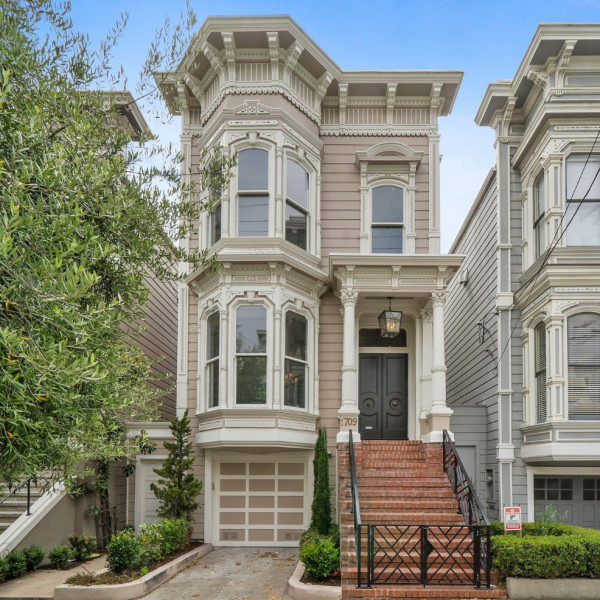
1709 Broderick Street: The Real Full House Home in San Francisco
Step inside the history of 1709 Broderick Street, the real Full House home in San Francisco. From its 1883 Victorian beginnings to TV fame, this house has stories to tell.
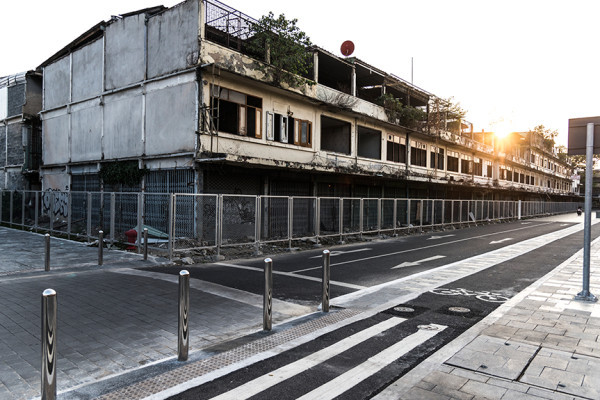
Everything You Need to Know About Repurposing Abandoned Properties
Repurposing buildings is an art that allows us to breathe new life into old structures. Reusing vacant properties simultaneously discovers new opportunities to integrate our rich historic culture.
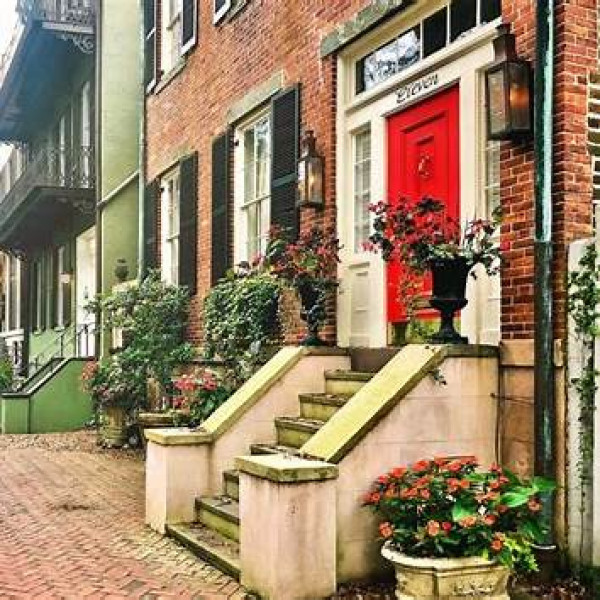
A Historic Getaway in Savannah, Georgia: Where Cobblestones Meet Greek Revival
Savannah, Georgia is a walkable treasure trove of historic homes and charming inns. Plan your architecture-filled getaway with our guide to what to see and where to stay.
