History of Florence Colorado
Florence, Colorado boasts a fascinating and vibrant history that has shaped the town into what it is today.
July 19, 2024
Exploring the Rich History of Florence, Colorado
Nestled in Eastern Fremont County, Florence, Colorado, is a town with a vibrant and fascinating history that has shaped its unique character. Originally drawing settlers for its expansive ranching opportunities and fertile farming soil, Florence soon revealed a much richer story.
Early Beginnings and Battles
In 1830, a French trader named Maurice established the first trading post on Adobe Creek, located about seven miles south of present-day Florence in the Florence Mountain Park area. Fast forward to 1838, a significant battle erupted between the Sioux and Arapaho Indians and settlers who took refuge in Maurice's fort. With assistance from the local Utes, the settlers triumphed.
The First American Settlement
Between 1840 and 1846, prominent figures like Governor Charles Bent, L.P. Lupton, Colonel Ceran St. Vrain, Charles Beaubien, L.V. Maxwell, and John C. Fremont (also known as "The Pathfinder") established the first American settlement on Adobe Creek. Fremont's legacy is celebrated with a statue and park just west of town on Highway 115 at Pathfinder Park.
Founding of Florence
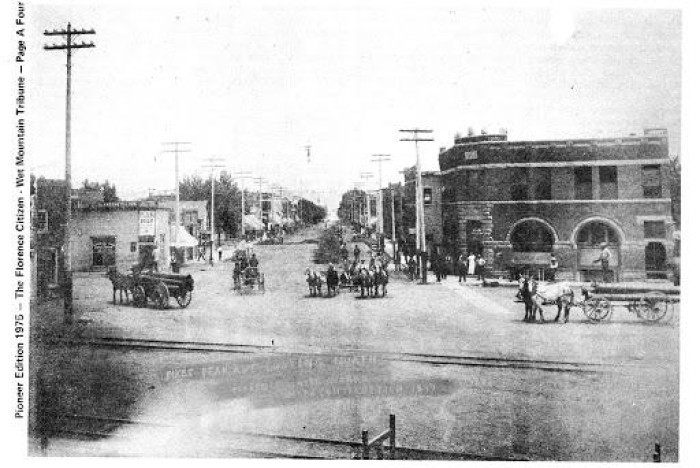
The town of Florence began taking shape in 1870, starting with a few buildings. It was James McCandless who truly put Florence on the map when he struck oil and plotted his 160-acre farm into a townsite. He invited others, including Edwin Lobach, to donate land, and the town was named after McCandless's three-year-old daughter, Florence. Officially incorporated in 1887, McCandless became the first mayor and postmaster. His family's fascinating history includes involvement in designing the Presidential flag and receiving a Medal of Honor. 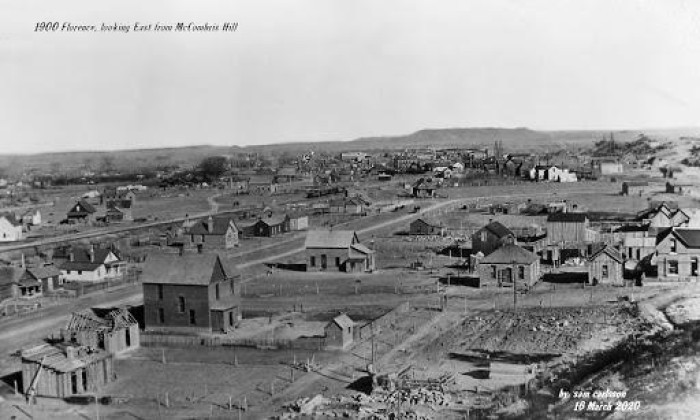
Booming Oil Fields and Industrial Growth
Florence is home to the second oldest oil fields in the United States, with the first oil well west of the Mississippi River discovered in 1862 still pumping today. The town's strategic location on a bend of the Arkansas River, as it flows out of the Rocky Mountains, has endowed it with an abundance of natural, physical, and cultural resources.
Diverse Cultural Heritage
From early Native American tribes seeking wintering grounds and medicinal oil to Spanish, French, Mexican, and Texan settlers, the area’s resources have been utilized by many cultures. Florence's advantageous location offered natural access routes along the Front Range and from the Mississippi, attracting explorers like Zebulon Pike in 1806, LeDuc in 1851, and gold seekers in 1859. William Jackson Palmer further connected Florence with railroads in 1872.
Industrial Peak and Decline
The Florence and Cripple Creek Railroad, opened in 1894, brought Cripple Creek gold to Florence's processing mills, fueling the town's growth. However, decreased gold ore and devastating fires led to a decline at the turn of the century. World War I revived Florence with a demand for oil, but an explosion in 1925 and the Great Depression further impacted the town.
Florence Today
Florence has reinvented itself as a haven for travelers and antique collectors, earning the title "Antique Capital of Colorado." With a population of around 3,800, the town cherishes its rich history while fostering small business growth. Strolling down Main Street, you’ll find antique dealers and art galleries in original Victorian buildings, offering a glimpse into Florence’s past. Residents enjoy the charm of a town preserved in time, with easy access to local restaurants, shops, and parks.
Florence’s story is one of resilience and adaptation, making it a captivating destination for those looking to explore Colorado’s historical and cultural heritage.
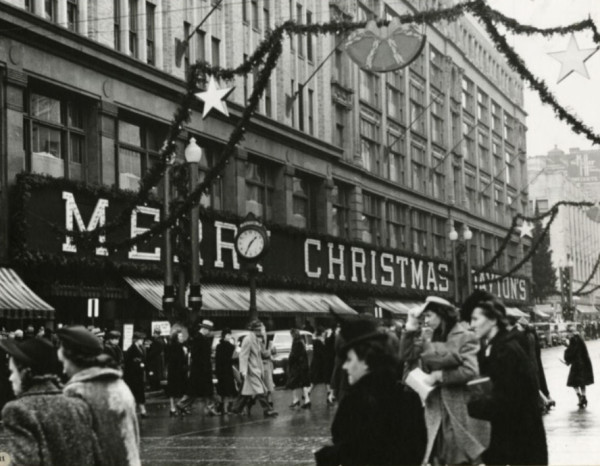
Uncovering the Connection Behind a Minnetonka Home and the Magic of Dayton’s Holiday Displays
A routine look into a home’s past turned into a journey through Dayton’s holiday history, complete with Dickens villages, giant Christmas trees, and Minneapolis nostalgia.

Find an Abandoned Property Owner
Have you ever seen an iconic historical building in ruins and wonder how such beautiful architecture was left abandoned?

Unlocking the secrets of your home's design and construction: A comprehensive guide to locating and utilizing your home's blueprints
Want to learn more about your home's design and construction? Here's everything you need to know about your home's blueprints to find out.
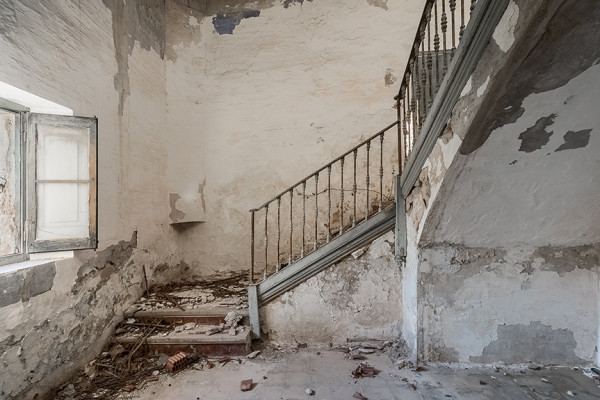
From Vacant to Abandoned, the Evolution of Decay
Routine maintenance is required to prevent any property from decaying. When no one is taking care of a property, time, and weather can quickly deteriorate its structural integrity and become a safety threat to the neighborhood.
