The Biltmore Estate: George W. Vanderbilt's Sprawling Home and Land
George W. Vanderbilt built this enormous estate in the woods in North Carolina. Join us as we explore the long and exciting history of the house and the people who lived there!
December 12, 2025
Now I know for a fact that there's no American royalty, but we certainly got close with the Vanderbilts. In the mid-late 1800s, the Vanderbilts had enormous amounts of money and multiple estates across the country. George Washington Vanderbilt II (or III, depending on who you ask) was one such wealthy member of the family as well as a grandson of the patriarch, Commodore Cornelius Vanderbilt.
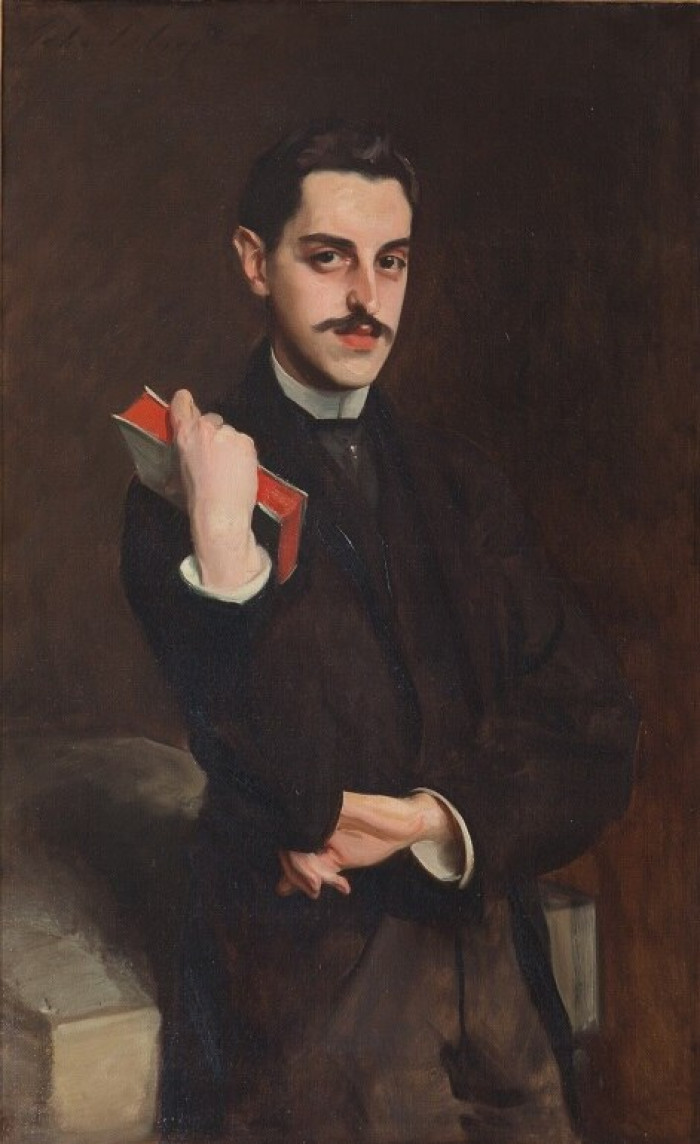
George Washington Vanderbilt, Portrait by John Singer Sargent, 1890
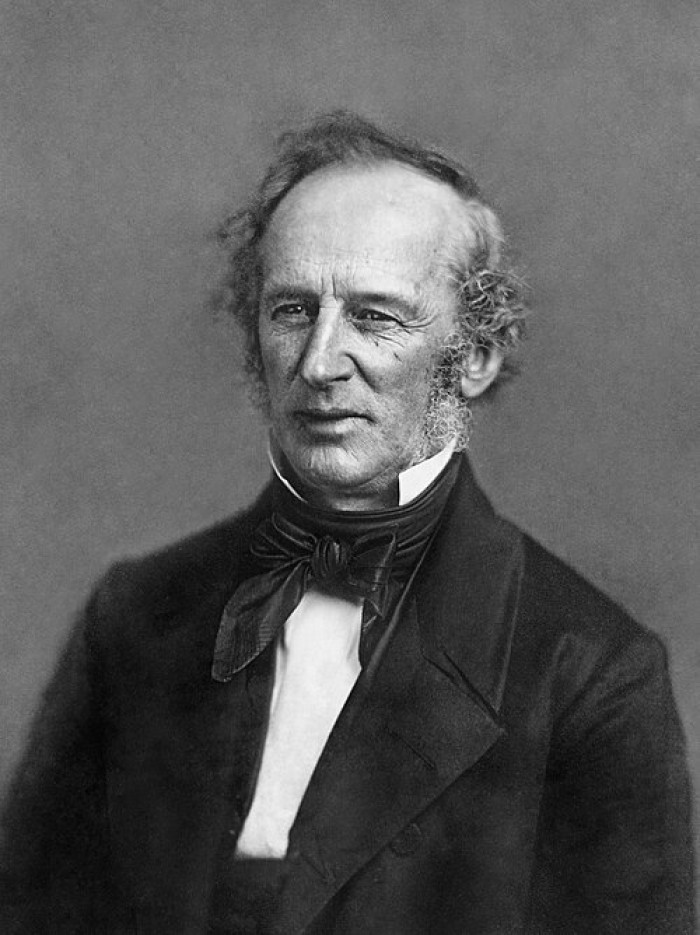
Commodore Cornelius Vanderbilt, c. 1844-1860
In 1888, George W. Vanderbilt decided that he wanted to construct his own estate and bought 125,000 acres of land in South Carolina. With the help of architect Richard Morris Hunt, a sprawling house was built and completed in 1895, and it was named the Biltmore Estate. It contained up to 4 acres of floor space, making it one of the largest domestic houses in the United States.
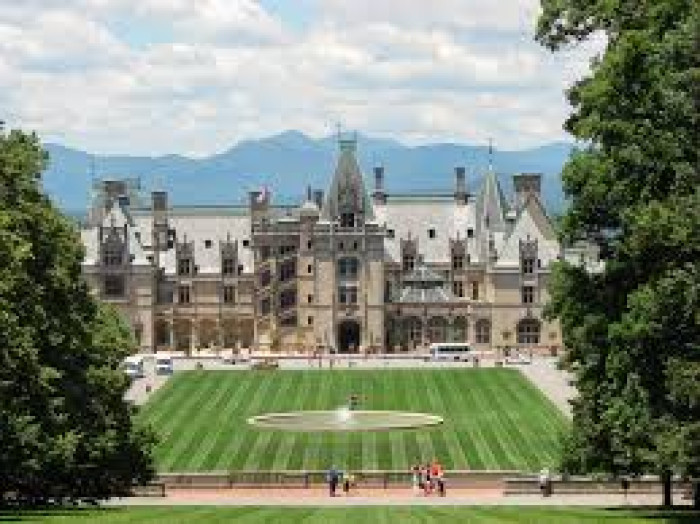
Biltmore Estate, c. 2013
In addition to the house, George W. Vanderbilt maintained a large agricultural and forestry estate that encompassed forests, animal breeding, and various farming practices. He had a love for the outdoors and aimed to live the country life.
George W. Vanderbilt would marry Edith Stuyvesant Dresser in 1898, who, according to the Asheville Times, was "a very charming and accomplished girl." The two would later welcome their only child, a daughter named Cornelia, in 1900.
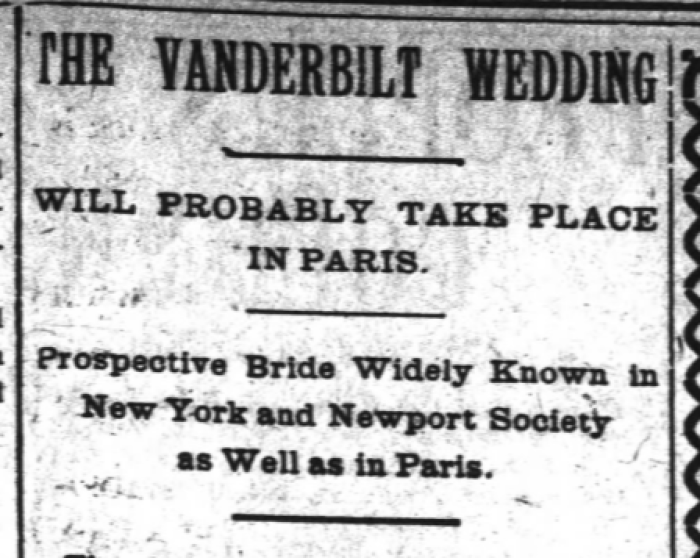
The Asheville Times, Dec. 10, 1898
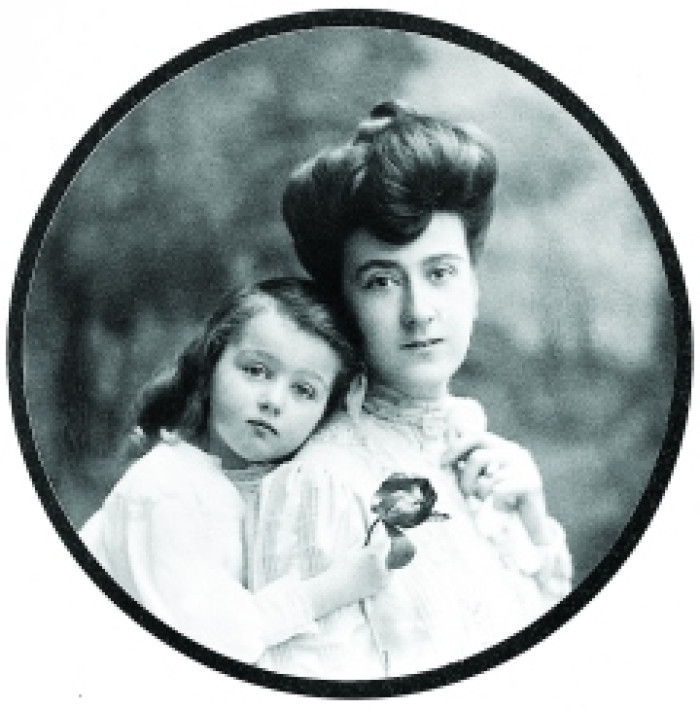
Edith Vanderbilt with her daughter, Cornelia, c. 1902
We do not have census records of the family for the years 1900-1920, but the family still owned the Biltmore Estate and was presumably at another of their houses or abroad at the time of the censuses.
George W. Vanderbilt lived a very comfortable life and used much of his means to provide for his family as well as his servants. However, this paradise in North Carolina was not to last. In 1914, he suffered from appendicitis and needed surgery. Eventually, George W. Vanderbilt would suffer from complications and pass away 10 days later.
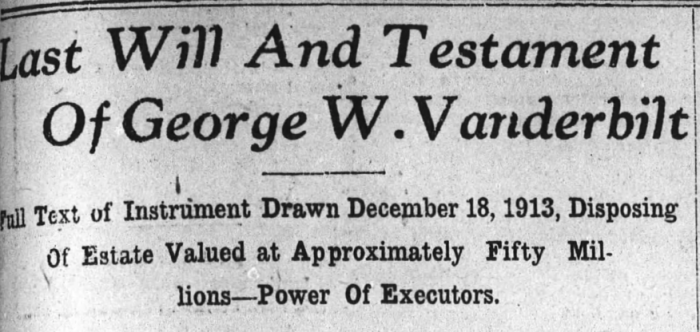
The Asheville Times, Mar. 21, 1914
In his last will and testament, George W. Vanderbilt left the Biltmore Estate in Edith's hands, and she created Pisgah National Forest, which was made up of the forests he owned. Edith and Cornelia (who would have been 14 at the time of his death) continued to live at the estate.
Six years after his death, in 1920, a tablet dedicated to George Vanderbilt was placed in Pisgah National Forest. An article from that time wrote what the inscription was on the tablet:
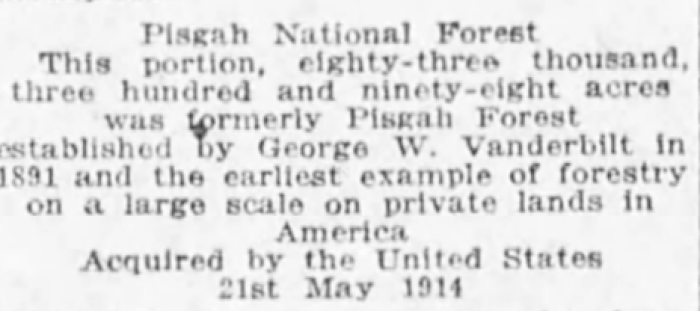
Asheville Citizen Times, Oct. 28, 1920
As for the occupants of the house, in 1924, Cornelia Vanderbilt married English aristocrat, the Hon. John Francis Amherst Cecil. After their honeymoon in Europe, they would have inhabited the Biltmore estate.
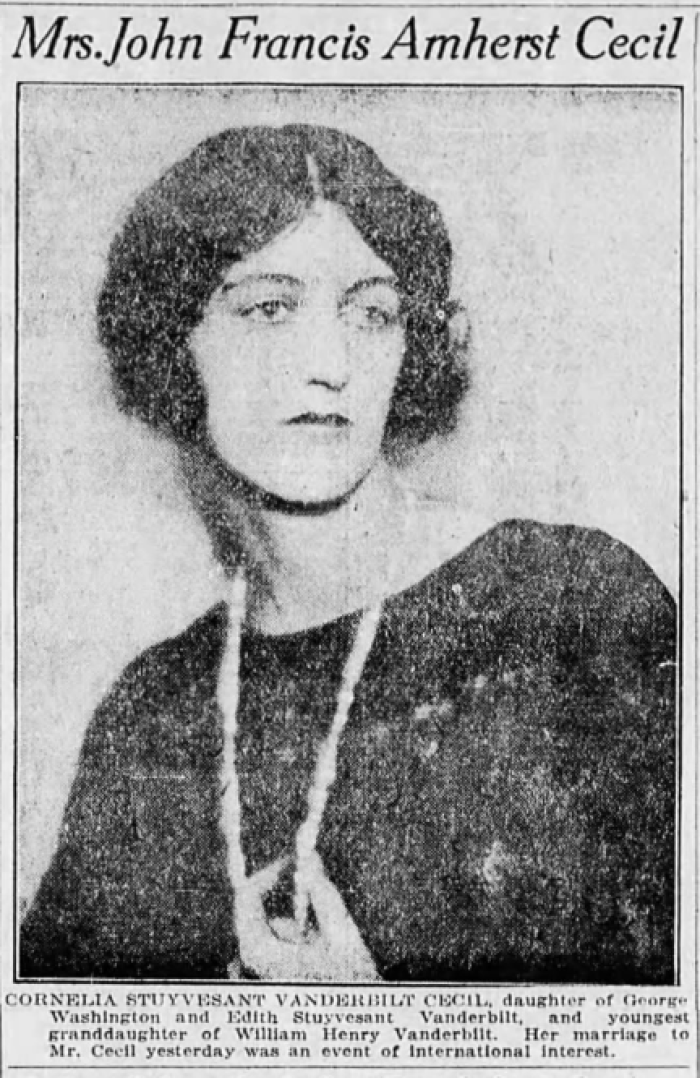
Asheville Citizen Times, Apr. 30, 1924
And indeed, when we look at the 1930 census, Cornelia Cecil and her husband occupied the home. In the years between their wedding and the census, the couple welcomed two children, George and William, who were 5 and 1 ½, respectively, at the time of the census. The Cecils would have employed servants for the upkeep of the estate, and in 1930, they would have included: Herbert Rable, Lena Andrews, Essie Lyda, Kezie Lance, Bertha Cardell, and Edith Redman. 1930 was also a big year for the masses, as the Cecils opened the lower floors of the house to the public.
The family lived together in relative peace until around 1934, when Cornelia, who had been living in England for some time, sought a divorce from John. The couple was in Paris at the time, and so the divorce was granted in a French court. According to an article from The Asheville Times, the couple would share custody of their children; Cornelia would get them for half of the year, and John would have the children the other half.
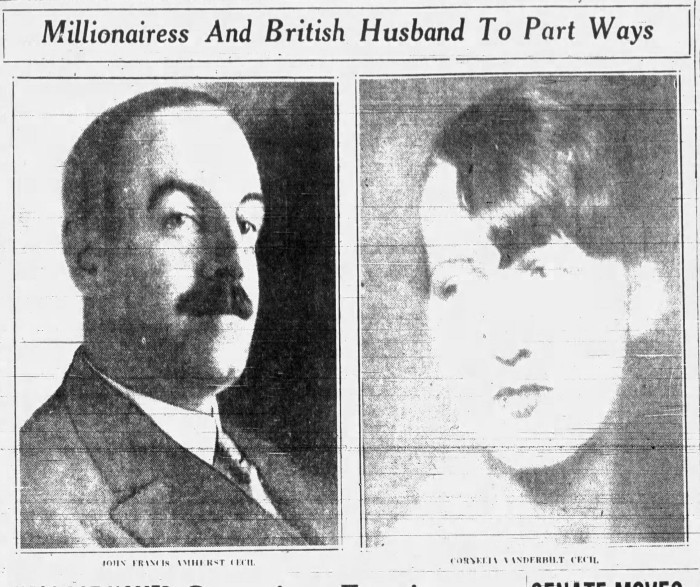
The Asheville Times, Mar. 31, 1934
After Cornelia and John's divorce, we do not hear from the family for a number of years. However, in 1940, a celebration was held in honor of Mr. C. D. Beadle, who had been a gardener at the estate for 50 years. According to an article from that time, Mr. Beadle had been workshopping an azalea garden, which he donated to the estate. Mr Beadle also described the estate when he first arrived, which was when it was still being built. At the time, it was nothing more than cleared land with no road to it.
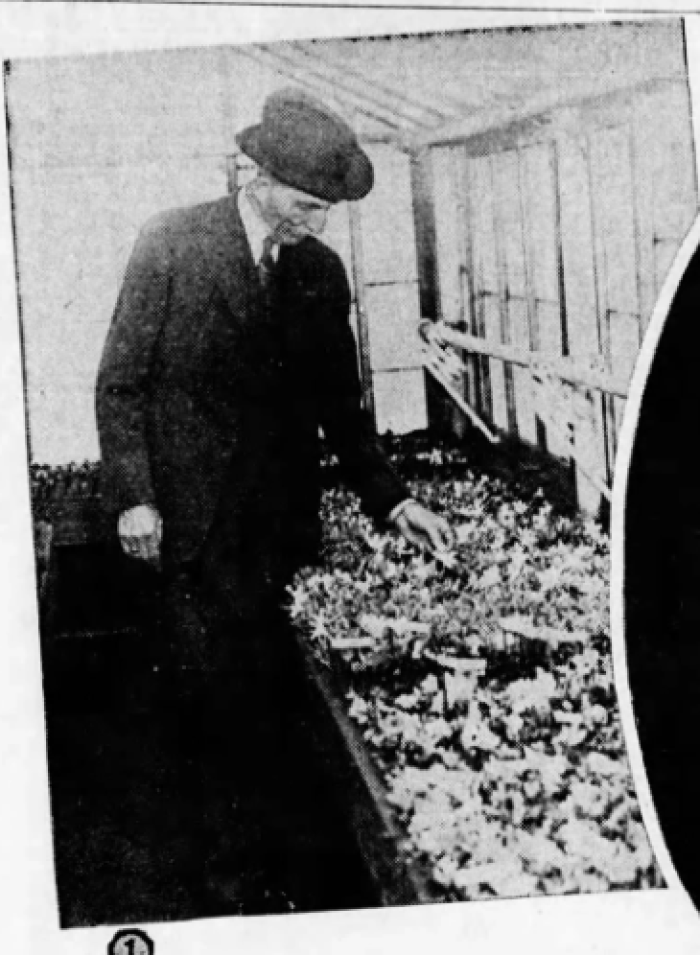
Mr. Beadle in the Greenhouse, Asheville Citizen Times, Mar. 31, 1940
We do not hear from the Cecils or the estate for many years, until 1950, when the census rolls around again. The occupants of the Biltmore Estate are listed as John Cecil and his two sons, George and William. At this time, Cornelia had adopted the name Nilcha, lived in Europe, and had remarried. She was never to return to Biltmore.
Continuing on with our timeline, in 1957, William, Cornelia's youngest son, would marry Mary Lee Ryan. The bride wore a gown of white satin adorned with heirloom lace. William's brother, George, served as his best man.
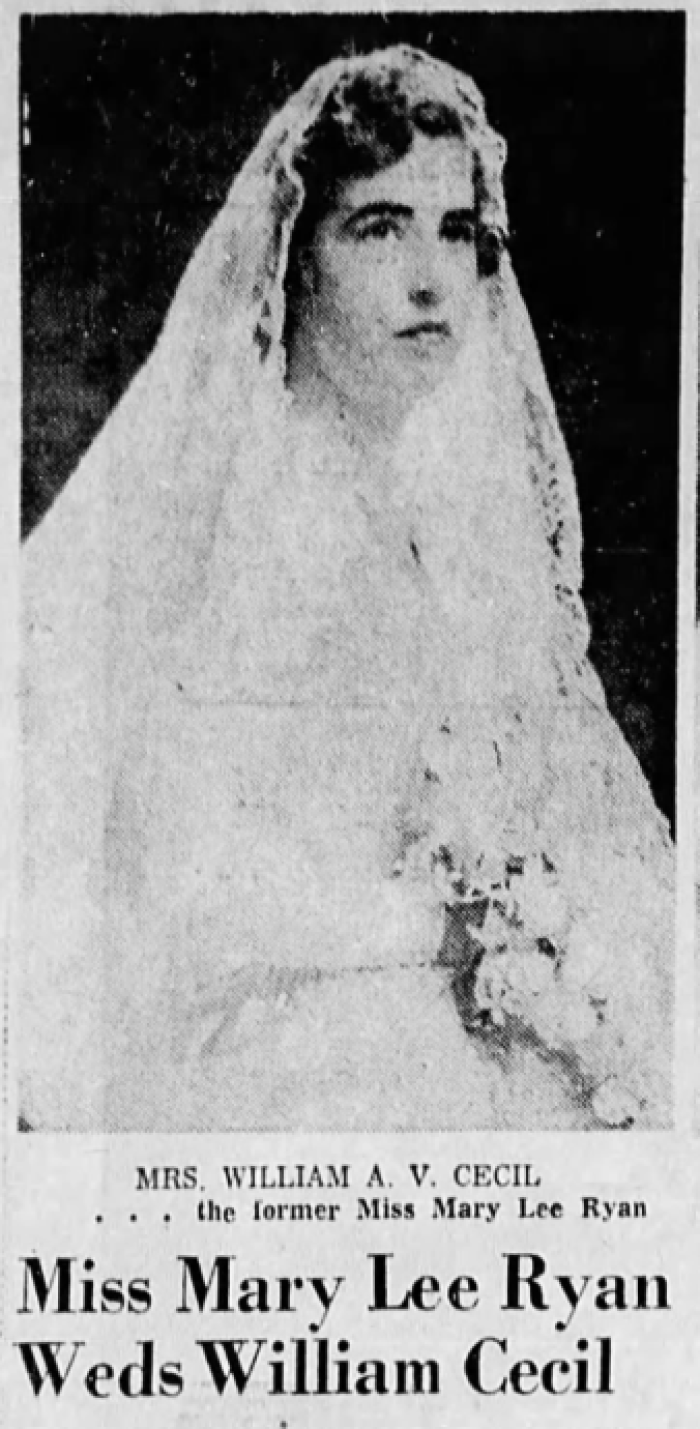
Asheville Citizen Times, Oct. 6, 1957
William would continue to be a guiding force in the management of the Biltmore Estate. An article from 1968 details the advertisements he planned in order to increase tourism. The advertisements, known as the Mountain Queen ads, consisted of a story between the main character Alice and the Mountain Queen, as well as some art to go along with the story. William Cecil decreed that the ads were a success, as they did bring in tourists since they came out.
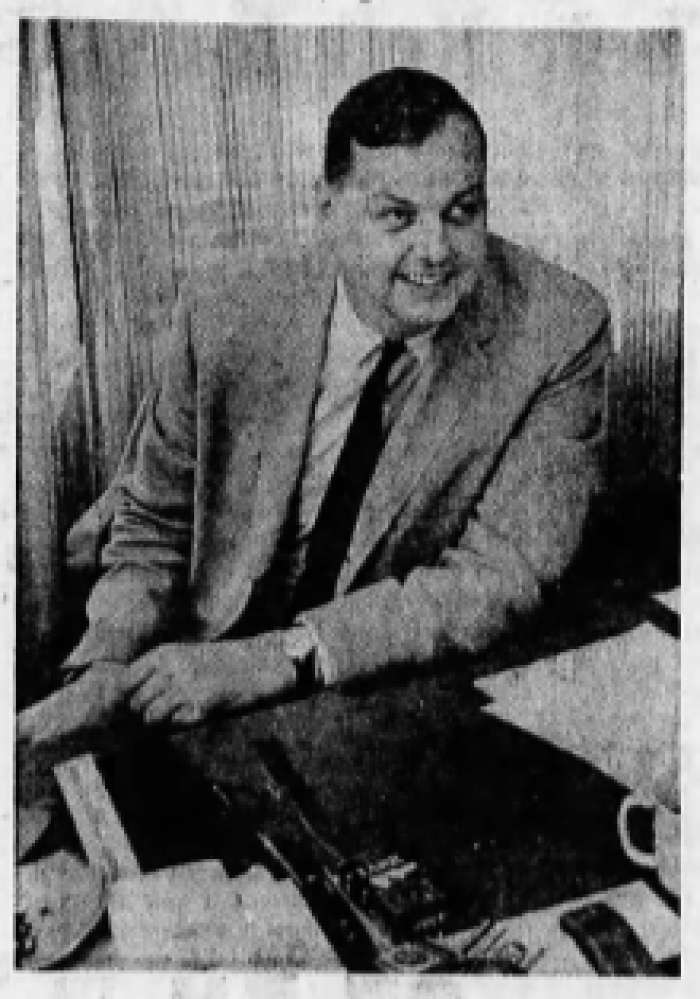
William Cecil, Asheville Citizen Times, Jan. 21, 1968
After 1968, we do not hear much from the family, but the Biltmore estate continued to operate as a tourist destination. In 2005, the estate celebrated its 75th anniversary, and an article from that year details the full history of the estate, as well as provides some insight into how William Cecil managed the estate and the impact it has had on the community.
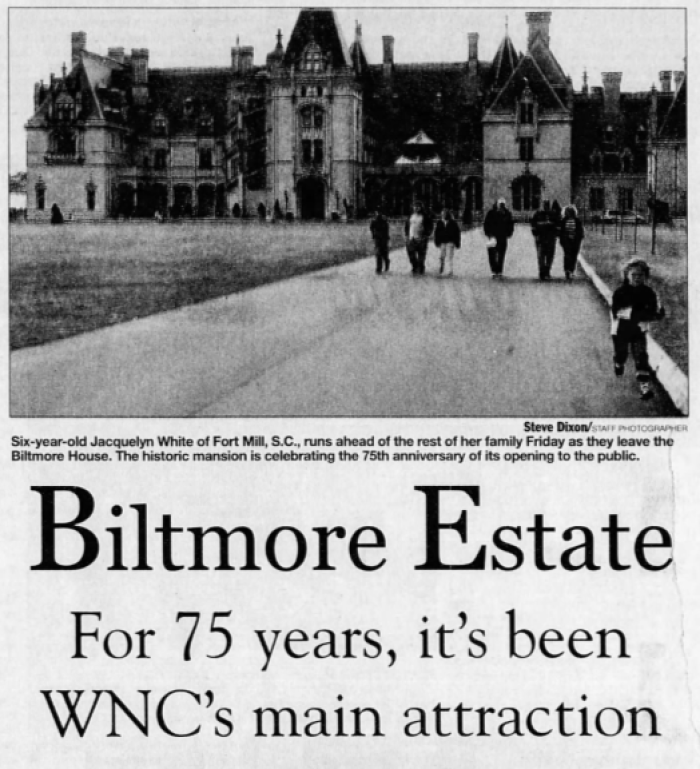
Asheville Citizen Times, Mar. 12, 2005
As of 2025, the Biltmore Estate is still going strong, even with the passing of William Cecil in 2017. The estate includes hotels, dairy farms, and wineries, surely more than George W. Vanderbilt dreamed of when he began construction in 1889. If you are curious about the house or any articles mentioned here, please visit our 1 Lodge St. timeline.
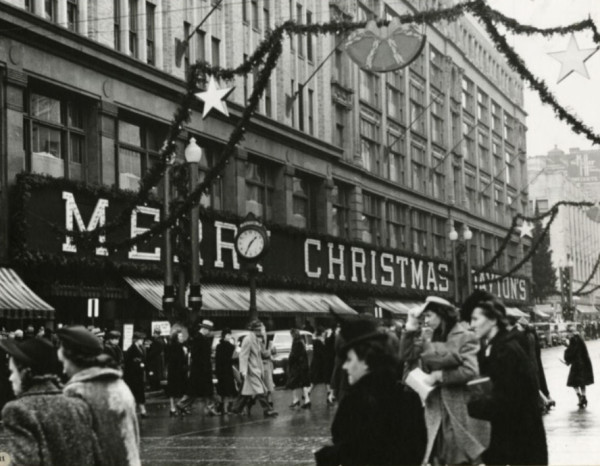
Uncovering the Connection Behind a Minnetonka Home and the Magic of Dayton’s Holiday Displays
A routine look into a home’s past turned into a journey through Dayton’s holiday history, complete with Dickens villages, giant Christmas trees, and Minneapolis nostalgia.
Beyond Thrilling Experience of Buying a Historic Property
You might have always fancied living in an 18th-century property with Georgian architecture, or a 19th-century exotic mansion.
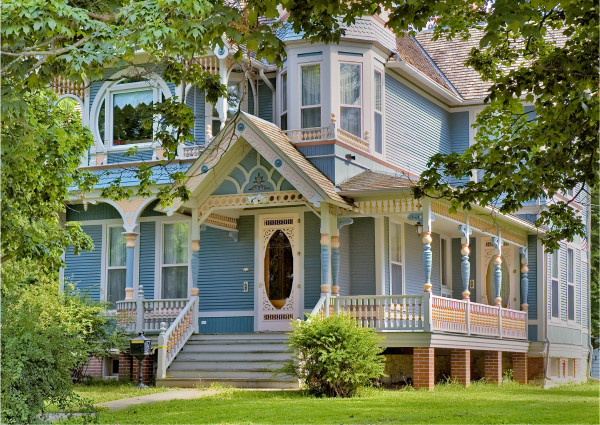
Unveiling the past: Your free step-by-step guide to get the most out of your home history research
Have you ever wondered about the history of your home? Who lived there before you? What interesting events took place in your home's past? Your house has a story to tell, and uncovering its history can be one of the most gratifying journeys you embark on.

Find an Abandoned Property Owner
Have you ever seen an iconic historical building in ruins and wonder how such beautiful architecture was left abandoned?
