
Share what you know,
and discover more.
Share what you know,
and discover more.
Jun 22, 1976
-
- Dave D
National Register of Historic Places
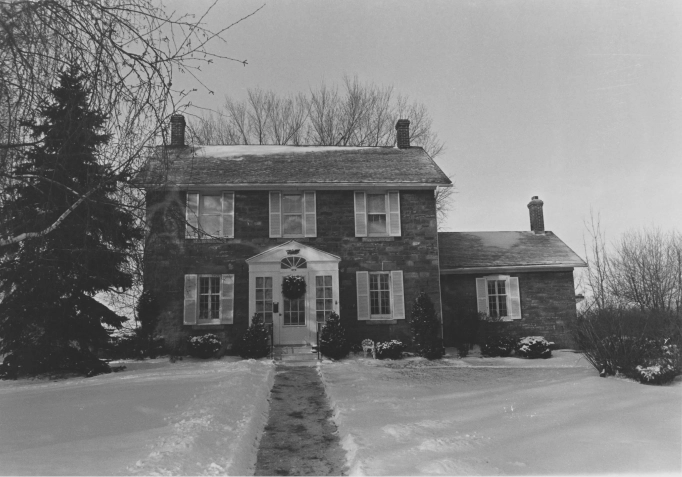
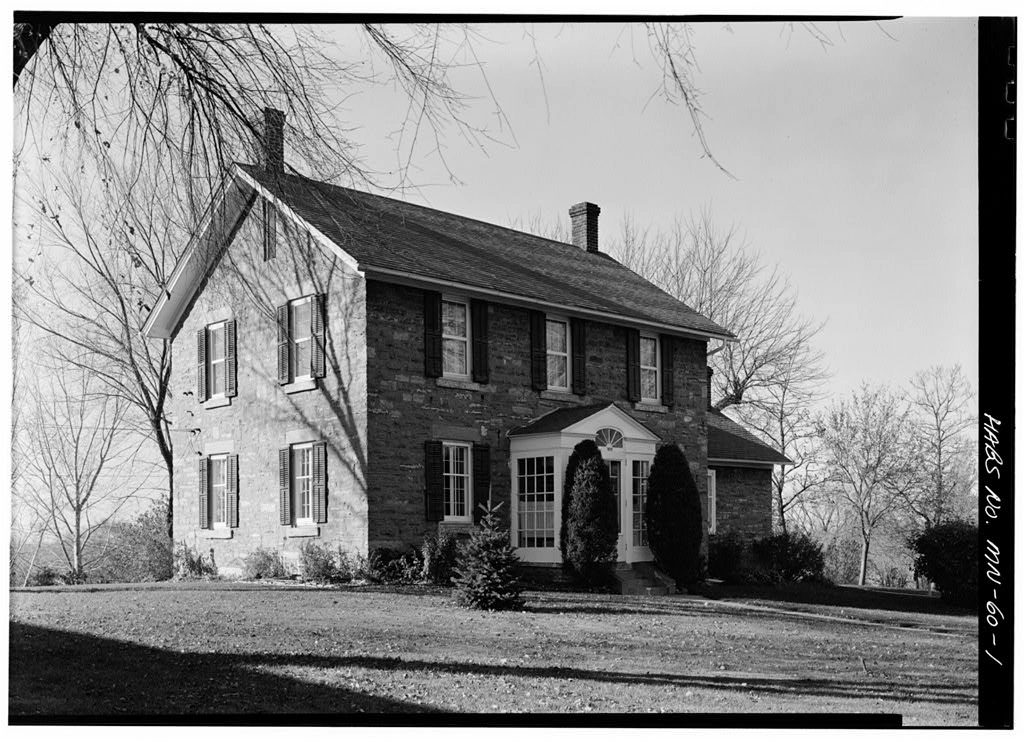
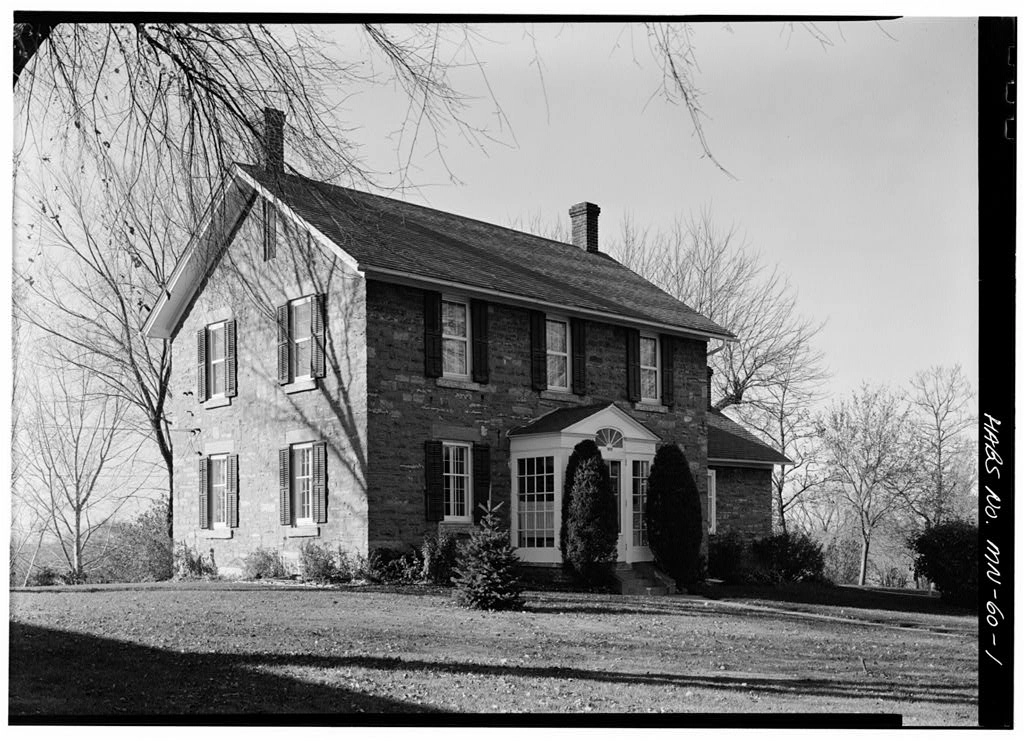
Statement of Significance The Frederick Spangenberg House is significant as one of the earliest limestone farmhouses to be preserved in Saint Paul, It was constructed by Spangenberg, a frugal German dairy farmer, of local limestone and on a site which during the 1860s was far from the urban hub of Saint Paul. Although now engulfed by residences of a twentieth-century vintage, the house continues to function as a comfortable residence and serves as a testimony to Spangenberg's perseverance and skilled craftsmanship in stone. The Spangenberg House was occupied continuously by the Spangenberg family decedents since the time of construction until 1972 when it was sold to the present owners, who are extremely conscious of the historic architectural merit of it. They have continued to provide for the preservation of both the house and grounds.
National Register of Historic Places
Statement of Significance The Frederick Spangenberg House is significant as one of the earliest limestone farmhouses to be preserved in Saint Paul, It was constructed by Spangenberg, a frugal German dairy farmer, of local limestone and on a site which during the 1860s was far from the urban hub of Saint Paul. Although now engulfed by residences of a twentieth-century vintage, the house continues to function as a comfortable residence and serves as a testimony to Spangenberg's perseverance and skilled craftsmanship in stone. The Spangenberg House was occupied continuously by the Spangenberg family decedents since the time of construction until 1972 when it was sold to the present owners, who are extremely conscious of the historic architectural merit of it. They have continued to provide for the preservation of both the house and grounds.
Jun 22, 1976
National Register of Historic Places
Statement of SignificanceThe Frederick Spangenberg House is significant as one of the earliest limestone farmhouses to be preserved in Saint Paul, It was constructed by Spangenberg, a frugal German dairy farmer, of local limestone and on a site which during the 1860s was far from the urban hub of Saint Paul. Although now engulfed by residences of a twentieth-century vintage, the house continues to function as a comfortable residence and serves as a testimony to Spangenberg's perseverance and skilled craftsmanship in stone.
The Spangenberg House was occupied continuously by the Spangenberg family decedents since the time of construction until 1972 when it was sold to the present owners, who are extremely conscious of the historic architectural merit of it. They have continued to provide for the preservation of both the house and grounds.
Posted Date
Jan 30, 2022
Historical Record Date
Jun 22, 1976
Source Name
United States Department of the Interior - National Park Service
Document Source
Delete Story
Are you sure you want to delete this story?
Oct 05, 1965
Oct 05, 1965
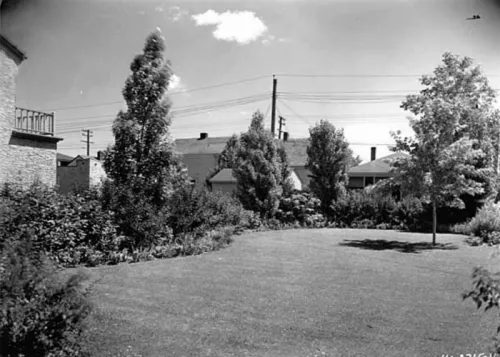
Frederick Spangenberg House (Rear)
REAR (WEST) ELEVATION - Frederick Spangenberg House, 375 Mount Curve Avenue, Saint Paul, Ramsey County, MN Photos from Survey HABS MN-60
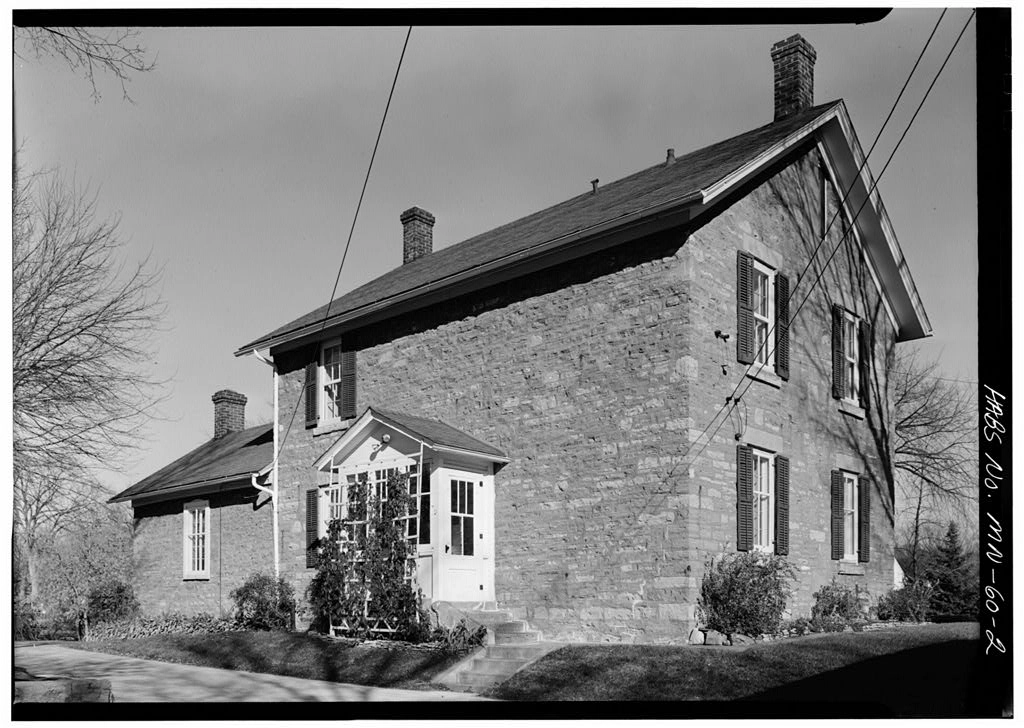
Frederick Spangenberg House (Rear)
REAR (WEST) ELEVATION - Frederick Spangenberg House, 375 Mount Curve Avenue, Saint Paul, Ramsey County, MN Photos from Survey HABS MN-60Posted Date
Nov 16, 2021
Historical Record Date
Oct 05, 1965
Source Name
Library of Congress
Source Website
Delete Story
Are you sure you want to delete this story?
Apr 15, 1910
Apr 15, 1910
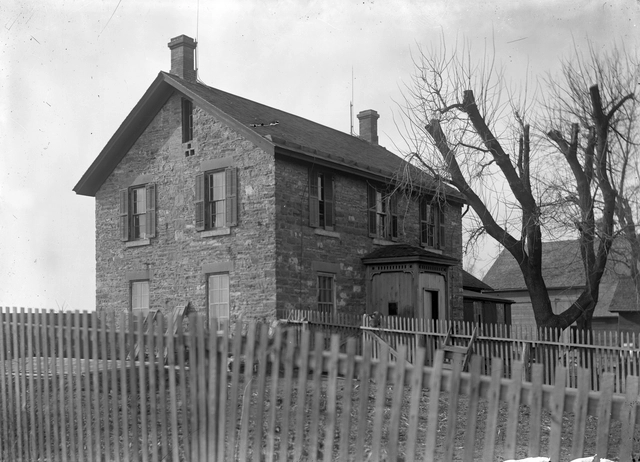
Frederick Spangenberg farmhouse
Frederick Spangenberg house, 375 Mount Curve, St. Paul. Approximately 1910Posted Date
Jan 30, 2022
Historical Record Date
Apr 15, 1910
Source Name
Minnesota Historical Society
Delete Story
Are you sure you want to delete this story?
Jun 01, 1895
Jun 01, 1895
Cows in farmyard at Spangenberg farm
Cows in farmyard at Spangenberg farm, 375 Mount Curve Boulevard, St. Paul. Approximately 1895Posted Date
Jan 30, 2022
Historical Record Date
Jun 01, 1895
Source Name
Minnesota Historical Society
Delete Story
Are you sure you want to delete this story?
-
- Marley Zielike
Frederick Spangenberg House, 375 Mount Curve Ave Saint Paul, Ramsey County, MN
One of the earliest extant limestone farmhouses in area, yellow limestone came from banks of the Mississippi River and hauled by stoneboat over snow to building site. Spangenberg was a dairy farmer, in 1867 the house stood well outside St. Paul.
Frederick Spangenberg House, 375 Mount Curve Ave Saint Paul, Ramsey County, MN
One of the earliest extant limestone farmhouses in area, yellow limestone came from banks of the Mississippi River and hauled by stoneboat over snow to building site. Spangenberg was a dairy farmer, in 1867 the house stood well outside St. Paul.
Frederick Spangenberg House, 375 Mount Curve Ave Saint Paul, Ramsey County, MN
One of the earliest extant limestone farmhouses in area, yellow limestone came from banks of the Mississippi River and hauled by stoneboat over snow to building site. Spangenberg was a dairy farmer, in 1867 the house stood well outside St. Paul.Posted Date
Sep 27, 2021
Source Name
Library of Congress
Source Website
Delete Story
Are you sure you want to delete this story?