
Share what you know,
and discover more.
Share what you know,
and discover more.
Jun 05, 2025
-
- Amanda Zielike
Home is listed for sale
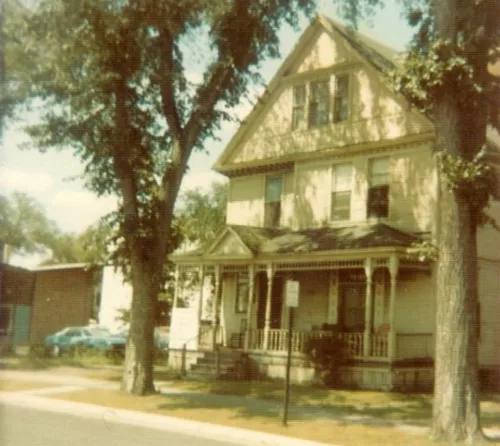
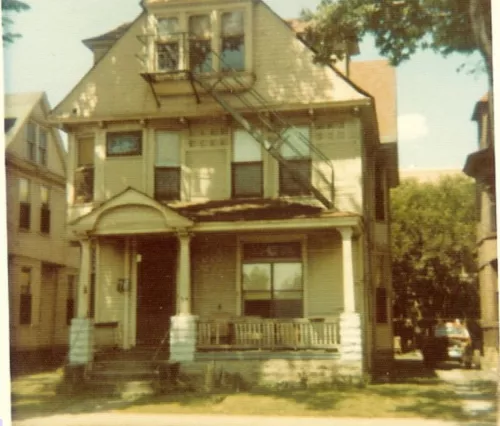
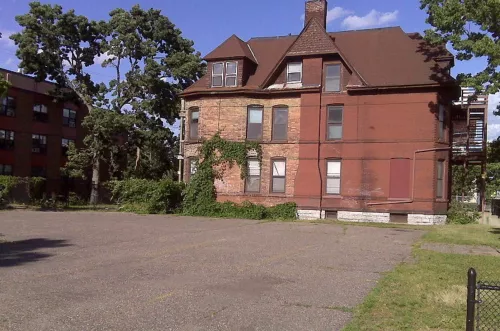
"Harry F. Legg House listed on National Register of Historic Places. Previously run as a Airbnb & Event Venue. Many original architectural features have been preserved include original tile work, fireplace, ornate woodwork, hardwood floors, pocket doors. Rooms are very spacious. Three car garage and fenced yard. Zoned for residential/Commercial. Sold as-is Lender owned."
Home is listed for sale
"Harry F. Legg House listed on National Register of Historic Places. Previously run as a Airbnb & Event Venue. Many original architectural features have been preserved include original tile work, fireplace, ornate woodwork, hardwood floors, pocket doors. Rooms are very spacious. Three car garage and fenced yard. Zoned for residential/Commercial. Sold as-is Lender owned."
Jun 05, 2025
Home is listed for sale
"Harry F. Legg House listed on National Register of Historic Places. Previously run as a Airbnb & Event Venue. Many original architectural features have been preserved include original tile work, fireplace, ornate woodwork, hardwood floors, pocket doors. Rooms are very spacious. Three car garage and fenced yard. Zoned for residential/Commercial. Sold as-is Lender owned."Posted Date
Sep 18, 2025
Historical Record Date
Jun 05, 2025
Source Name
Realtor.com
Delete Story
Are you sure you want to delete this story?
Apr 05, 1990
Apr 05, 1990
-
- Catherine Taylor
Scandal!
In March 1990, the FBI seized a massive cache of stolen books from a house in Iowa. The haul—11,000 rare volumes worth an estimated $20 million—had been taken by Steven Blumberg from libraries and private collections all over the country. As investigators dug deeper into Blumberg’s criminal activities, they uncovered another stash—this time of stained glass and antiques—at one of his other properties: 1601 Park Avenue. The home had been purchased for restoration in 1976 by John Vetrano, who ended up being charged in the case for receiving stolen property.
Scandal!
In March 1990, the FBI seized a massive cache of stolen books from a house in Iowa. The haul—11,000 rare volumes worth an estimated $20 million—had been taken by Steven Blumberg from libraries and private collections all over the country. As investigators dug deeper into Blumberg’s criminal activities, they uncovered another stash—this time of stained glass and antiques—at one of his other properties: 1601 Park Avenue. The home had been purchased for restoration in 1976 by John Vetrano, who ended up being charged in the case for receiving stolen property.
Scandal!
In March 1990, the FBI seized a massive cache of stolen books from a house in Iowa. The haul—11,000 rare volumes worth an estimated $20 million—had been taken by Steven Blumberg from libraries and private collections all over the country.As investigators dug deeper into Blumberg’s criminal activities, they uncovered another stash—this time of stained glass and antiques—at one of his other properties: 1601 Park Avenue. The home had been purchased for restoration in 1976 by John Vetrano, who ended up being charged in the case for receiving stolen property.
Posted Date
Aug 06, 2025
Historical Record Date
Apr 05, 1990
Source Name
Star Tribune (Minneapolis, Minnesota)
Document Source
Source Website
Delete Story
Are you sure you want to delete this story?
Mar 08, 1978
-
- Catherine Taylor
Bringing the House Back to Life
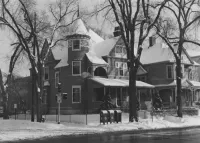
In 1978 the Minneapolis Star ran an article about John Vetrano and his love of the Victorian era. Also discussed were his efforts to restore 1601 Park Ave S. to its original state. In addition to scouring the country for antiques during their vacations, the Vetranos operated a business selling reproductions of Victorian furniture, and were able to use the house as a natural showroom.
Bringing the House Back to Life
In 1978 the Minneapolis Star ran an article about John Vetrano and his love of the Victorian era. Also discussed were his efforts to restore 1601 Park Ave S. to its original state. In addition to scouring the country for antiques during their vacations, the Vetranos operated a business selling reproductions of Victorian furniture, and were able to use the house as a natural showroom.
Mar 08, 1978
Bringing the House Back to Life
In 1978 the Minneapolis Star ran an article about John Vetrano and his love of the Victorian era. Also discussed were his efforts to restore 1601 Park Ave S. to its original state. In addition to scouring the country for antiques during their vacations, the Vetranos operated a business selling reproductions of Victorian furniture, and were able to use the house as a natural showroom.Posted Date
Aug 06, 2025
Historical Record Date
Mar 08, 1978
Source Name
The Minneapolis Star
Document Source
Source Website
Delete Story
Are you sure you want to delete this story?
Mar 06, 1976
Mar 06, 1976
-
- Charmaine Bantugan
Harry F. Legg House - National Registry of Historic Places
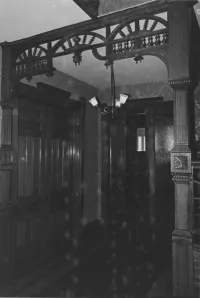
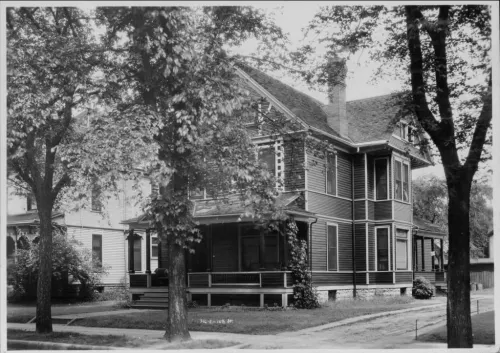
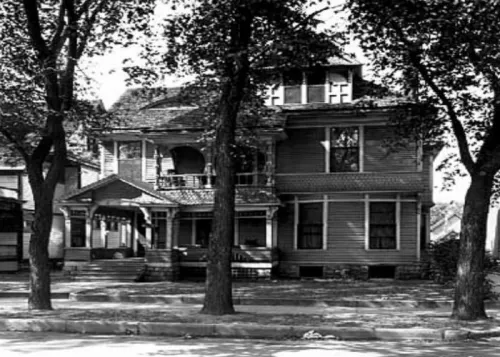
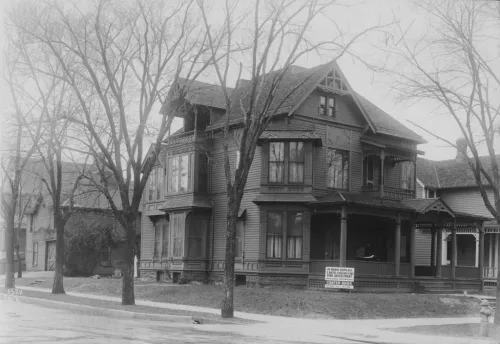
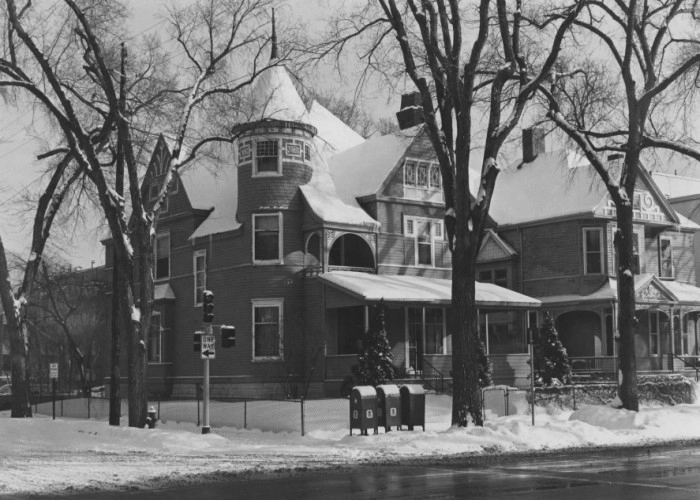
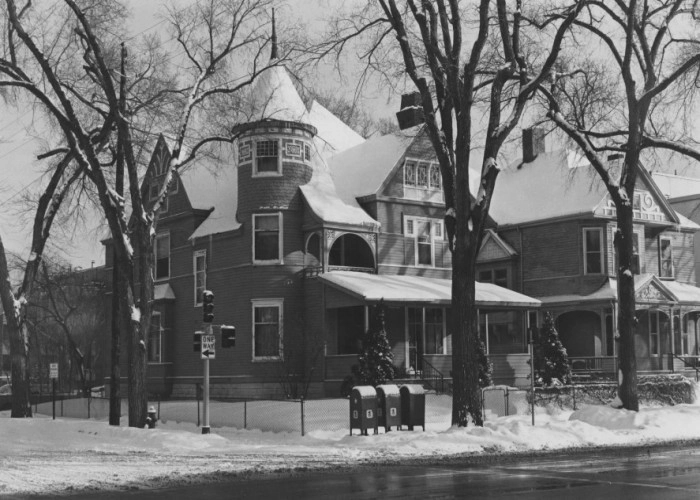
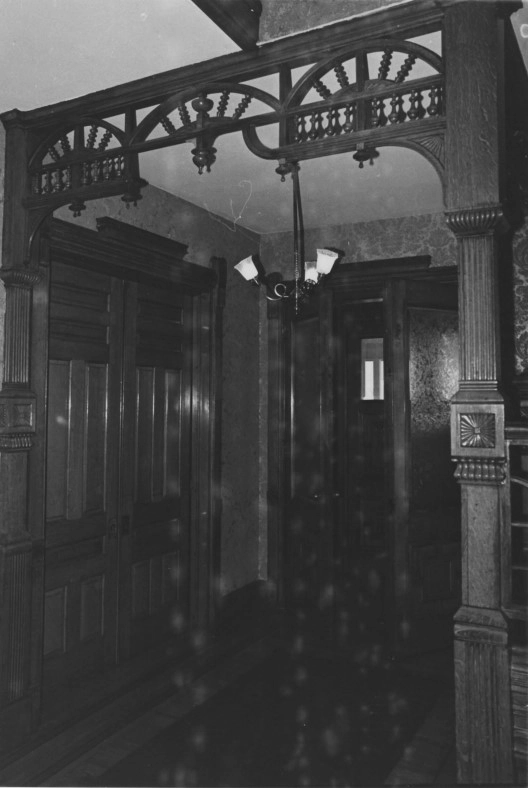
Statement of Significance: The significance of this house rests in the fact that it is a good example of the type of home that was typical of middle to upper income professional types and clearly represents the social lifestyle of the period. It also exemplifies the type of home erected by the tract developers of the period and is one of the good surviving examples of the Queen Ann style. The interior is little changed from the original and shows the ornate woodwork that may have been of the "made to order" or factory catalog. Photo Credit: Charles W. Nelson
Harry F. Legg House - National Registry of Historic Places
Statement of Significance: The significance of this house rests in the fact that it is a good example of the type of home that was typical of middle to upper income professional types and clearly represents the social lifestyle of the period. It also exemplifies the type of home erected by the tract developers of the period and is one of the good surviving examples of the Queen Ann style. The interior is little changed from the original and shows the ornate woodwork that may have been of the "made to order" or factory catalog. Photo Credit: Charles W. Nelson
Harry F. Legg House - National Registry of Historic Places
Statement of Significance:The significance of this house rests in the fact that it is a good example of the type of home that was typical of middle to upper income professional types and clearly represents the social lifestyle of the period.
It also exemplifies the type of home erected by the tract developers of the period and is one of the good surviving examples of the Queen Ann style. The interior is little changed from the original and shows the ornate woodwork that may have been of the "made to order" or factory catalog.
Photo Credit: Charles W. Nelson
Posted Date
Mar 09, 2022
Historical Record Date
Mar 06, 1976
Source Name
United States Department of Interior - National Park Service
Source Website
Delete Story
Are you sure you want to delete this story?
Jan 04, 1976
-
- Catherine Taylor
The House is Purchased for Restoration
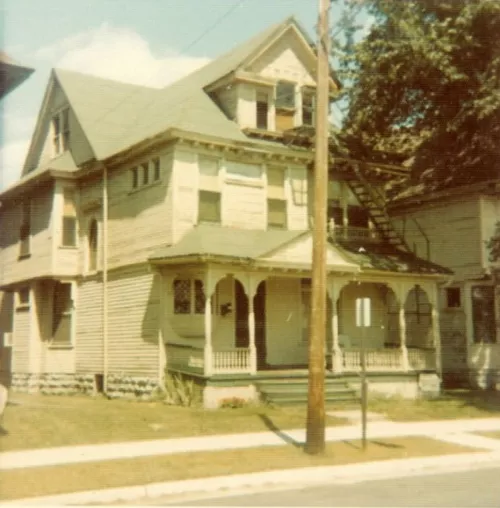
The house continued to be used as apartments, the building being put up for sale off and on. Although ads frequently mentioned the "stately family home", the site was zoned as industrial or commercial property to help the sale--the space could be wiped clean, the home cleared out, a blank slate to start anew. In 1976 John and Pat Vetrano purchased the home with the goal of returning it to its original state, or as close as possible. The Vetranos stripped linoleum from the floors and opened up fireplaces that had been covered over and cemented up. Through the Vetranos' efforts, the home was placed on the National Register of Historic Places.
The House is Purchased for Restoration
The house continued to be used as apartments, the building being put up for sale off and on. Although ads frequently mentioned the "stately family home", the site was zoned as industrial or commercial property to help the sale--the space could be wiped clean, the home cleared out, a blank slate to start anew. In 1976 John and Pat Vetrano purchased the home with the goal of returning it to its original state, or as close as possible. The Vetranos stripped linoleum from the floors and opened up fireplaces that had been covered over and cemented up. Through the Vetranos' efforts, the home was placed on the National Register of Historic Places.
Jan 04, 1976
The House is Purchased for Restoration
The house continued to be used as apartments, the building being put up for sale off and on. Although ads frequently mentioned the "stately family home", the site was zoned as industrial or commercial property to help the sale--the space could be wiped clean, the home cleared out, a blank slate to start anew.In 1976 John and Pat Vetrano purchased the home with the goal of returning it to its original state, or as close as possible. The Vetranos stripped linoleum from the floors and opened up fireplaces that had been covered over and cemented up.
Through the Vetranos' efforts, the home was placed on the National Register of Historic Places.
Posted Date
Aug 06, 2025
Historical Record Date
Jan 04, 1976
Source Name
Star Tribune
Document Source
Source Website
Delete Story
Are you sure you want to delete this story?
May 21, 1926
May 21, 1926
A Trip to Yellowstone
In May of 1926 a lodger at 1601 Park Avenue placed a personal ad seeking "six congenial young men" to join a tour of Yellowstone Park and the Black Hills, in order to share the expenses of the trip.
A Trip to Yellowstone
In May of 1926 a lodger at 1601 Park Avenue placed a personal ad seeking "six congenial young men" to join a tour of Yellowstone Park and the Black Hills, in order to share the expenses of the trip.Posted Date
Jul 26, 2025
Historical Record Date
May 21, 1926
Source Name
The Star Tribune
Document Source
Source Website
Delete Story
Are you sure you want to delete this story?
Jun 17, 1920
-
- Catherine Taylor
Home For Sale
Dr. H. E. Cary retired from medicine in 1919, and the family moved to their summer home on White Fish Lake. The house at 1601 Park Avenue was listed for sale but struggled to attract buyers as a single-family residence. It later found more success as an apartment house.
Home For Sale
Dr. H. E. Cary retired from medicine in 1919, and the family moved to their summer home on White Fish Lake. The house at 1601 Park Avenue was listed for sale but struggled to attract buyers as a single-family residence. It later found more success as an apartment house.
Jun 17, 1920
Home For Sale
Dr. H. E. Cary retired from medicine in 1919, and the family moved to their summer home on White Fish Lake. The house at 1601 Park Avenue was listed for sale but struggled to attract buyers as a single-family residence. It later found more success as an apartment house.Posted Date
Jul 31, 2025
Historical Record Date
Jun 17, 1920
Source Name
Star Tribune (Minneapolis, Minnesota)
Document Source
Source Website
Delete Story
Are you sure you want to delete this story?
May 05, 1906
May 05, 1906
-
- Catherine Taylor
Dr. Cary's Father Suffers Dog Bite!
In May of 1905, Dr. H. E. Cary's father was bit by his dog when he was trying to give it medicine. The newspaper reported that the bite was "hardly more than a scratch," but Dr. Cary insisted that the dog be shot and examined for rabies as it had been exhibiting signs of the disease. The city bacteriologist discovered that the dog indeed was suffering from rabies. Thanks no doubt to his son's quick thinking, Dr. Cary's father lived on until 1910.
Dr. Cary's Father Suffers Dog Bite!
In May of 1905, Dr. H. E. Cary's father was bit by his dog when he was trying to give it medicine. The newspaper reported that the bite was "hardly more than a scratch," but Dr. Cary insisted that the dog be shot and examined for rabies as it had been exhibiting signs of the disease. The city bacteriologist discovered that the dog indeed was suffering from rabies. Thanks no doubt to his son's quick thinking, Dr. Cary's father lived on until 1910.
Dr. Cary's Father Suffers Dog Bite!
In May of 1905, Dr. H. E. Cary's father was bit by his dog when he was trying to give it medicine. The newspaper reported that the bite was "hardly more than a scratch," but Dr. Cary insisted that the dog be shot and examined for rabies as it had been exhibiting signs of the disease. The city bacteriologist discovered that the dog indeed was suffering from rabies.Thanks no doubt to his son's quick thinking, Dr. Cary's father lived on until 1910.
Posted Date
Jul 31, 2025
Historical Record Date
May 05, 1906
Source Name
The Irish Standard
Document Source
Source Website
Delete Story
Are you sure you want to delete this story?
Jan 01, 1904
Dr. H. E. Cary Residence
In 1904 Dr. Herbert E Cary and his wife Mary moved into 1601 Park Ave., with their little daughter Jeannette. Dr. Cary practiced medicine in Minneapolis until 1919, when he retired and the family moved away.
Jan 01, 1904
Dr. H. E. Cary Residence
In 1904 Dr. Herbert E Cary and his wife Mary moved into 1601 Park Ave., with their little daughter Jeannette. Dr. Cary practiced medicine in Minneapolis until 1919, when he retired and the family moved away.Posted Date
Jul 26, 2025
Historical Record Date
Jan 01, 1904
Source Name
The Minneapolis Star
Document Source
Source Website
Delete Story
Are you sure you want to delete this story?
Jan 01, 1900
Jan 01, 1900
The Whiddens Move In
Arthur C. Widden and his wife Lanita lived at 1601 Park Ave from 1900 to 1903. At the time he was the treasurer for the Northwest Telephone Exchange Co. They later moved east to Massachusetts.
The Whiddens Move In
Arthur C. Widden and his wife Lanita lived at 1601 Park Ave from 1900 to 1903. At the time he was the treasurer for the Northwest Telephone Exchange Co. They later moved east to Massachusetts.Posted Date
Jul 31, 2025
Historical Record Date
Jan 01, 1900
Source Name
1900 Minneapolis City Directory
Delete Story
Are you sure you want to delete this story?
Jan 01, 1897
-
- Catherine Taylor
Herman Kenkel Moves In
By 1896 Harry F. Legg moved out of 1601 Park Ave. presumably to escape the encroaching Minneapolis city and traffic. Herman H. Kenkel, president of the Kenkel, Todd & Bettingen grain firm moved into the home, but only stayed there until 1899. In later years he would be a member of the Minneapolis Chamber of Commerce
Herman Kenkel Moves In
By 1896 Harry F. Legg moved out of 1601 Park Ave. presumably to escape the encroaching Minneapolis city and traffic. Herman H. Kenkel, president of the Kenkel, Todd & Bettingen grain firm moved into the home, but only stayed there until 1899. In later years he would be a member of the Minneapolis Chamber of Commerce
Jan 01, 1897
Herman Kenkel Moves In
By 1896 Harry F. Legg moved out of 1601 Park Ave. presumably to escape the encroaching Minneapolis city and traffic. Herman H. Kenkel, president of the Kenkel, Todd & Bettingen grain firm moved into the home, but only stayed there until 1899. In later years he would be a member of the Minneapolis Chamber of CommercePosted Date
Jul 31, 2025
Historical Record Date
Jan 01, 1897
Source Name
1897 Minneapolis City Directory
Delete Story
Are you sure you want to delete this story?
Aug 24, 1895
Aug 24, 1895
-
- Catherine Taylor
Harry Legg's Son Run Over!
In 1895, "little Harry Legg" was knocked down by a bicyclist avoiding a collision with a carriage. He was knocked senseless and received a cut on his head. The article assures us that "he was carried home and found to be not seriously hurt." This little Harry Legg would grow up to become a successful golfer, winning ten state, five Trans-Mississippi, and numerous other titles over his 30 year career.
Harry Legg's Son Run Over!
In 1895, "little Harry Legg" was knocked down by a bicyclist avoiding a collision with a carriage. He was knocked senseless and received a cut on his head. The article assures us that "he was carried home and found to be not seriously hurt." This little Harry Legg would grow up to become a successful golfer, winning ten state, five Trans-Mississippi, and numerous other titles over his 30 year career.
Harry Legg's Son Run Over!
In 1895, "little Harry Legg" was knocked down by a bicyclist avoiding a collision with a carriage. He was knocked senseless and received a cut on his head. The article assures us that "he was carried home and found to be not seriously hurt."This little Harry Legg would grow up to become a successful golfer, winning ten state, five Trans-Mississippi, and numerous other titles over his 30 year career.
Posted Date
Jul 26, 2025
Historical Record Date
Aug 24, 1895
Source Name
The Minneapolis Journal
Document Source
Source Website
Delete Story
Are you sure you want to delete this story?
Jul 06, 1891
-
- Catherine Taylor
Harry F. Legg Residence
In 1891 the namesake for the residence, Harry F. Legg, was burglarized. The "circus burglar", as dubbed in the press, took $1,000 of valuables from the home when the family was away during the Fourth of July holiday. The value of the goods today would be over $36,000!
Harry F. Legg Residence
In 1891 the namesake for the residence, Harry F. Legg, was burglarized. The "circus burglar", as dubbed in the press, took $1,000 of valuables from the home when the family was away during the Fourth of July holiday. The value of the goods today would be over $36,000!
Jul 06, 1891
Harry F. Legg Residence
In 1891 the namesake for the residence, Harry F. Legg, was burglarized. The "circus burglar", as dubbed in the press, took $1,000 of valuables from the home when the family was away during the Fourth of July holiday. The value of the goods today would be over $36,000!Posted Date
Jul 26, 2025
Historical Record Date
Jul 06, 1891
Source Name
The Minneapolis Journal
Document Source
Source Website
Delete Story
Are you sure you want to delete this story?
Jan 01, 1887
Jan 01, 1887
-
- Catherine Taylor
The House is Built
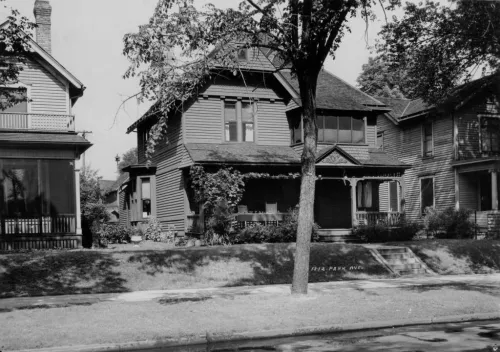
At one time the avenue from E. Franklin Avenue to E. 28th Street was known as Minneapolis's "Golden Mile", an answer to St. Paul's Summit Avenue area, and its wealthy residents were some of the first to make fortunes in the early milling industry. In 1887 1601 Park Avenue was built, sitting just four blocks north of this prestigious area. Harry F. Legg, a prominent jeweler in Minneapolis, moved in with his family.
The House is Built
At one time the avenue from E. Franklin Avenue to E. 28th Street was known as Minneapolis's "Golden Mile", an answer to St. Paul's Summit Avenue area, and its wealthy residents were some of the first to make fortunes in the early milling industry. In 1887 1601 Park Avenue was built, sitting just four blocks north of this prestigious area. Harry F. Legg, a prominent jeweler in Minneapolis, moved in with his family.
The House is Built
At one time the avenue from E. Franklin Avenue to E. 28th Street was known as Minneapolis's "Golden Mile", an answer to St. Paul's Summit Avenue area, and its wealthy residents were some of the first to make fortunes in the early milling industry.In 1887 1601 Park Avenue was built, sitting just four blocks north of this prestigious area. Harry F. Legg, a prominent jeweler in Minneapolis, moved in with his family.
Posted Date
Jul 26, 2025
Historical Record Date
Jan 01, 1887
Source Name
Minneapolis Heritage Preservation Commission
Delete Story
Are you sure you want to delete this story?